Home energy guides, with the math shown
26 long reads on what drives your bill and which fixes pay back first.
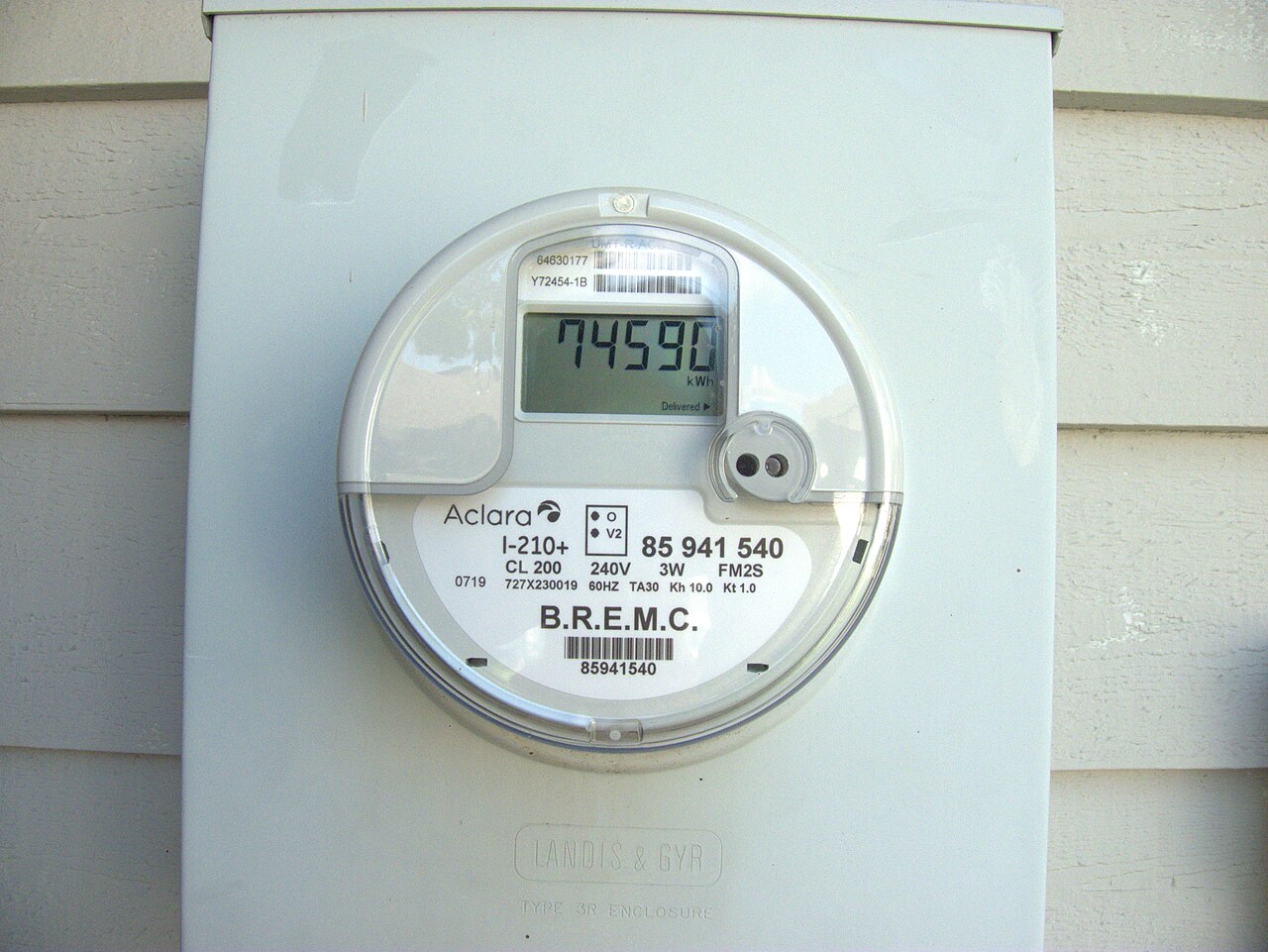
What it actually costs to run every appliance in your home
One formula turns the watts on a label into dollars on your bill. Here it is, with a calculator and the yearly cost of the things people ask about most.
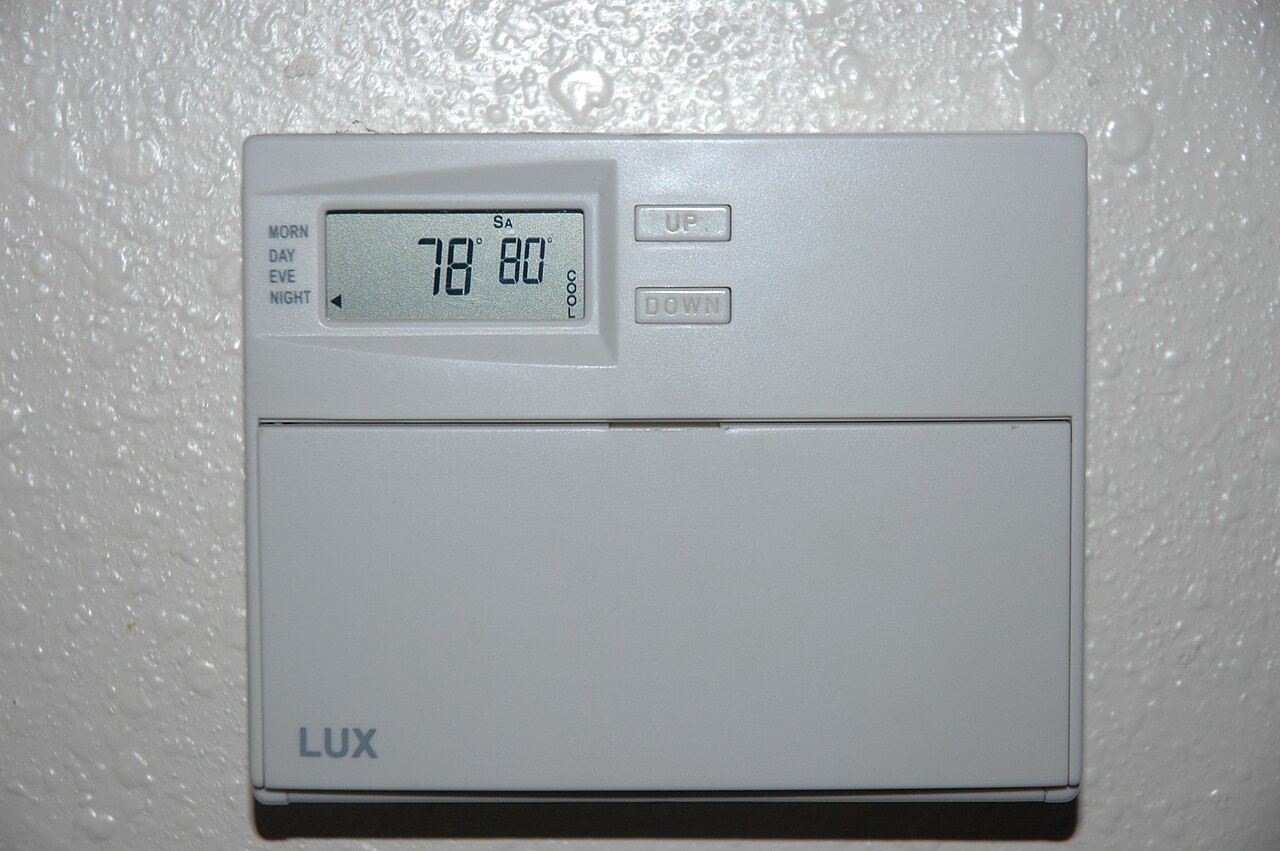
The thermostat settings that actually lower your heating bill
Turning the heat down at night works, and the reason is simple physics. How far to turn it, and when not to, depends on what heats your home.
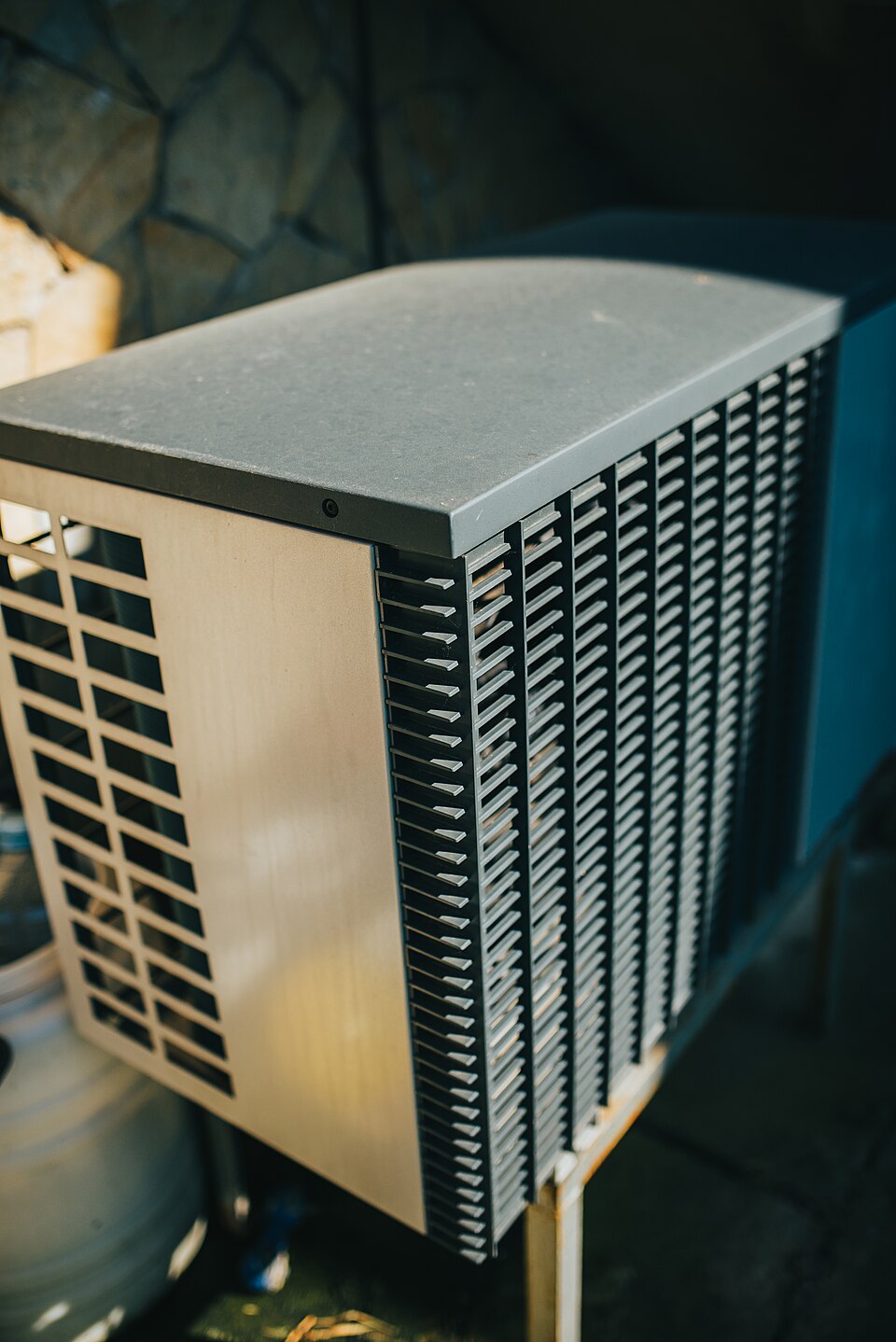
Are heat pumps worth it? The math against gas, oil and propane
A heat pump moves heat instead of making it, so it delivers two to four units of heat for each unit of electricity. Whether that saves you money depends on one ratio.

Is solar worth it for your home? How to run the payback math
The same panels can pay back in nine years on one roof and never on another. Four numbers decide which roof is yours.
Phantom power: the electricity you pay for while everything is off
Every always-on watt costs about $1.50 a year. Most homes have dozens of them, and a few devices account for most of the total.
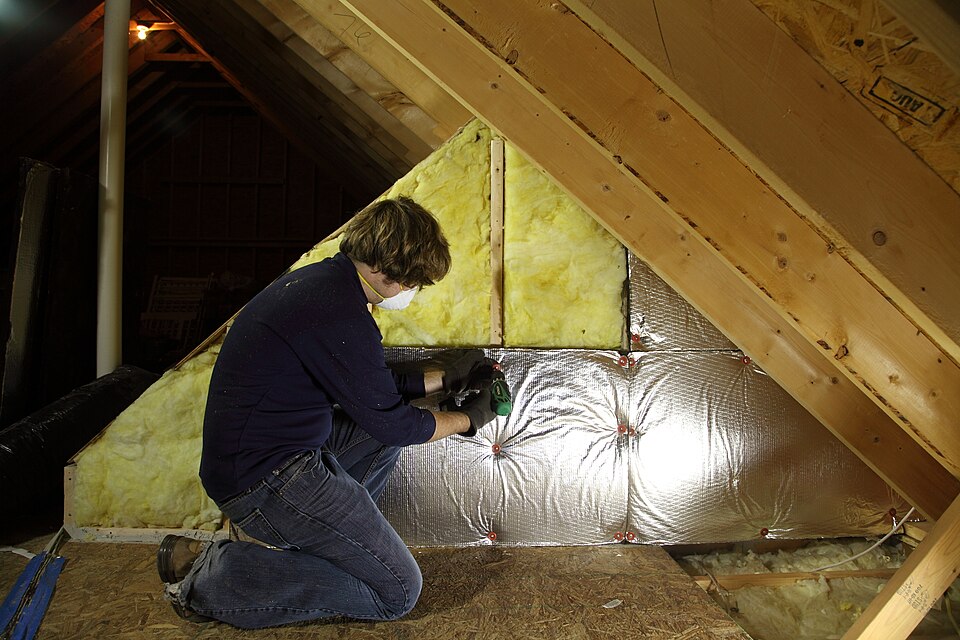
Air sealing and attic insulation: the upgrade that pays back first
New windows get the sales calls. The gaps hidden in your attic floor usually cost you more, and fixing them is cheaper.
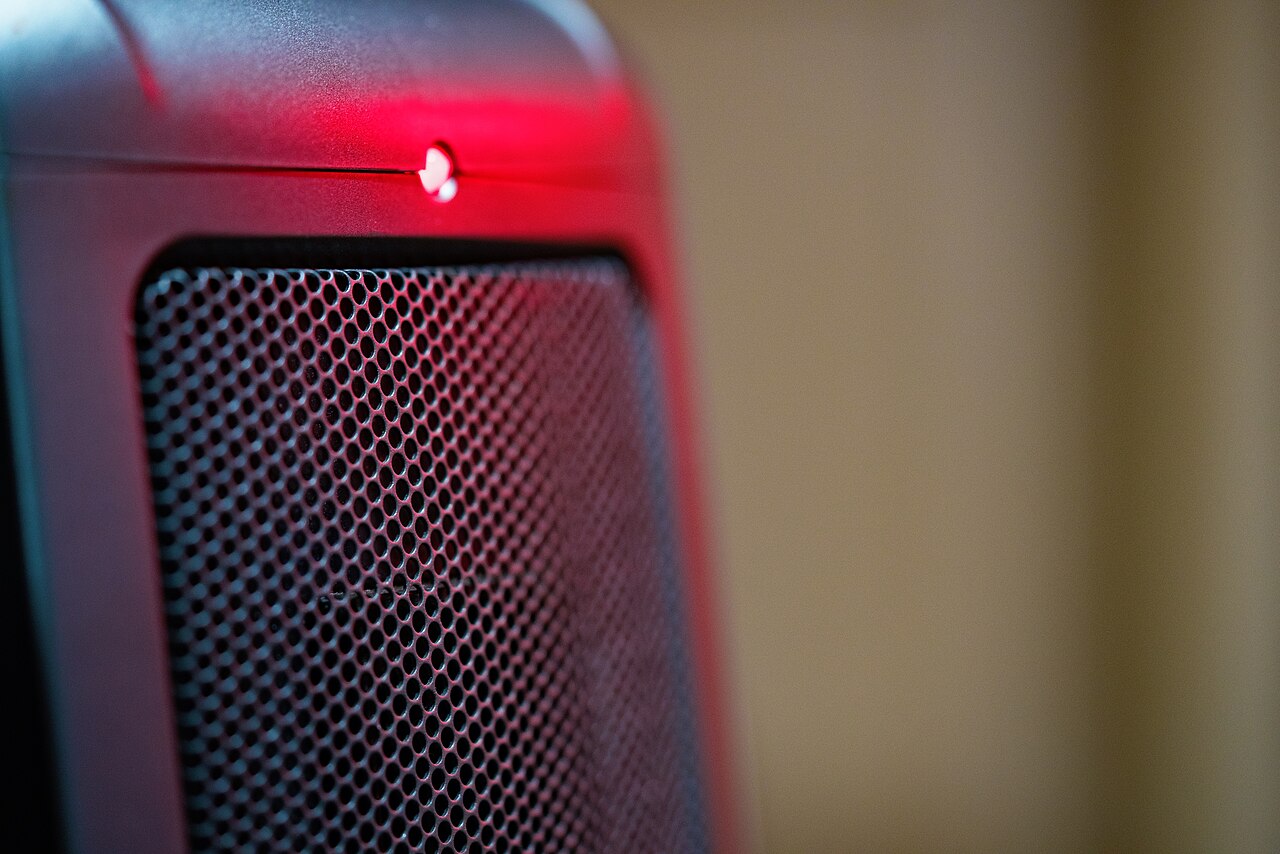
How much does it cost to run a space heater?
About 25 cents an hour on high at a typical US rate. Whether that saves money or wastes it depends on what you do with the rest of the house.
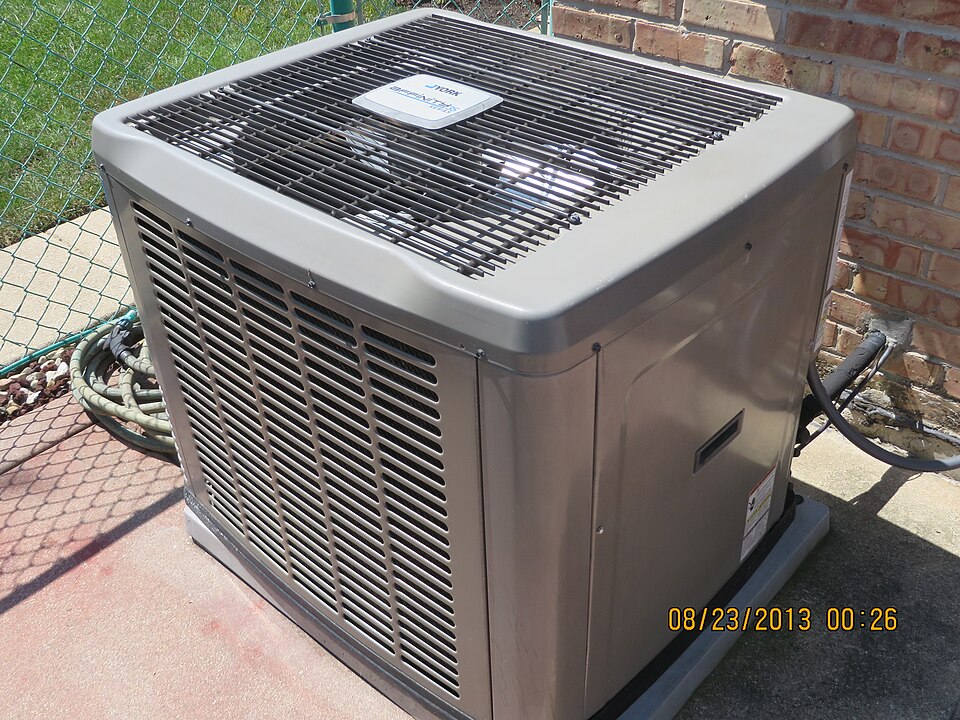
What it costs to run central air conditioning, per hour and per summer
A typical 3-ton system costs roughly 50 cents for every hour the compressor runs. Here is how to get your own number, and how to make it run less.
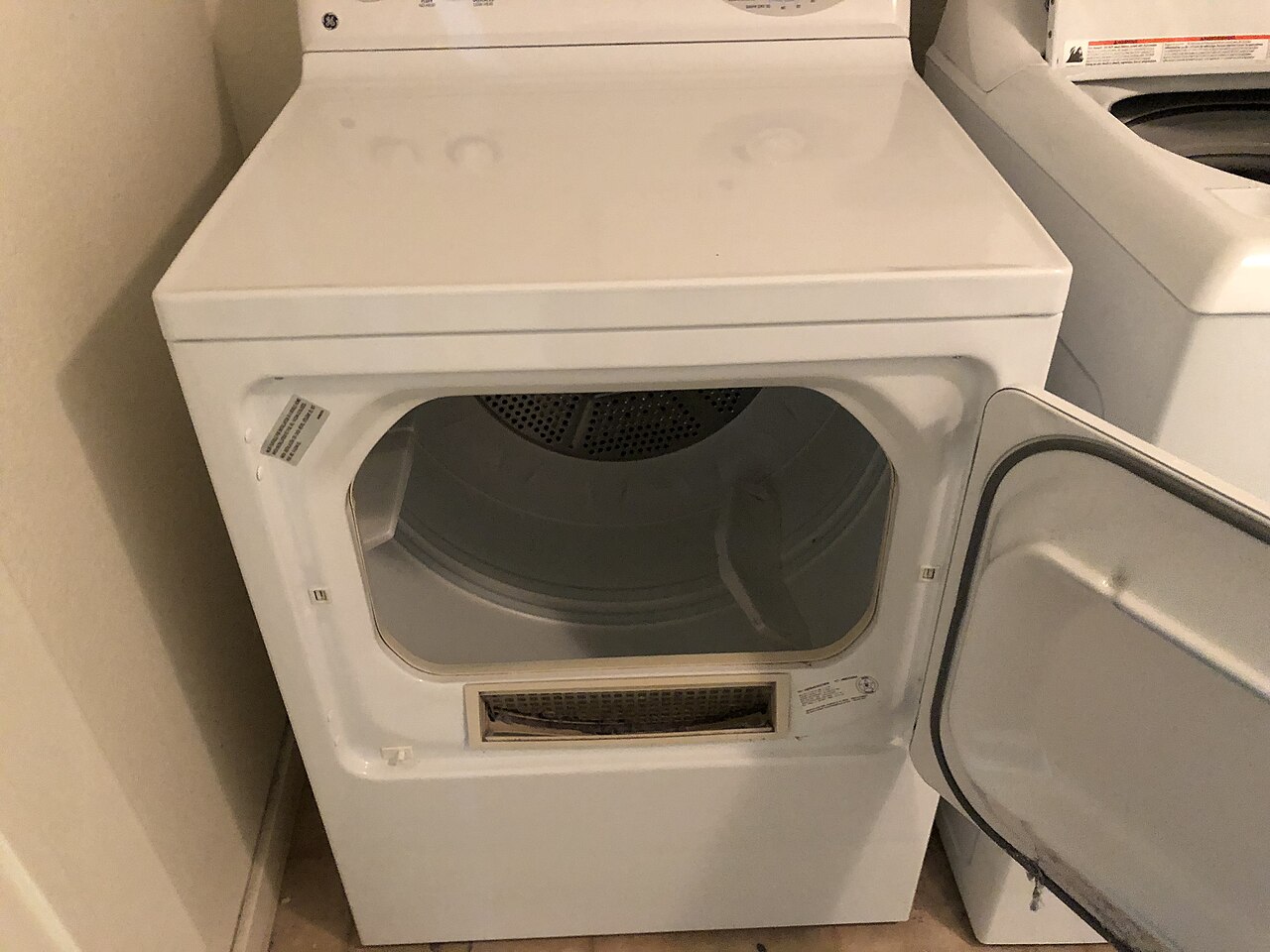
Electric vs gas dryer: what each load really costs
An electric load costs around 50 cents, gas closer to 30. The cheapest drying of all happens in the washer's spin cycle.
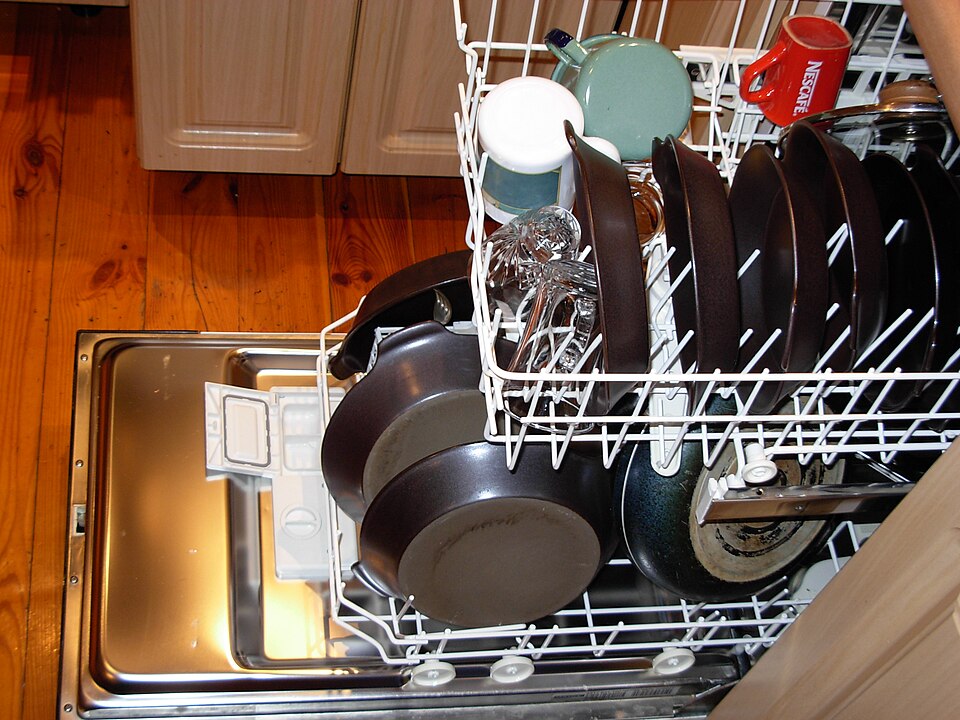
Dishwasher or hand washing: which really uses less?
For most households the machine wins, mostly because hand washing quietly burns through hot water. The way you load it matters too.
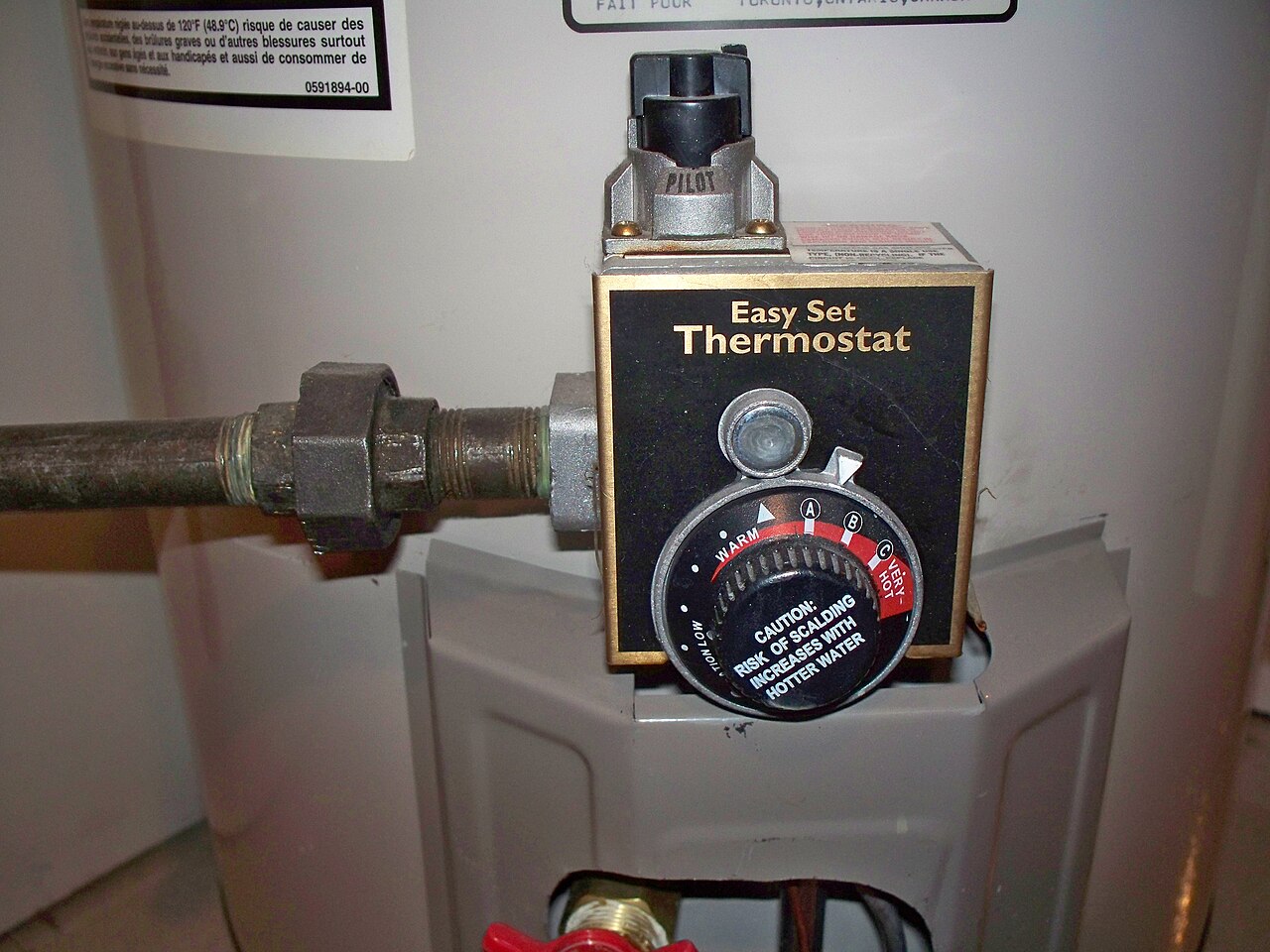
What temperature should your water heater be set to?
Many tanks leave the factory at 140°F. The Department of Energy suggests 120°F, and every 10 degrees you drop saves a few percent.
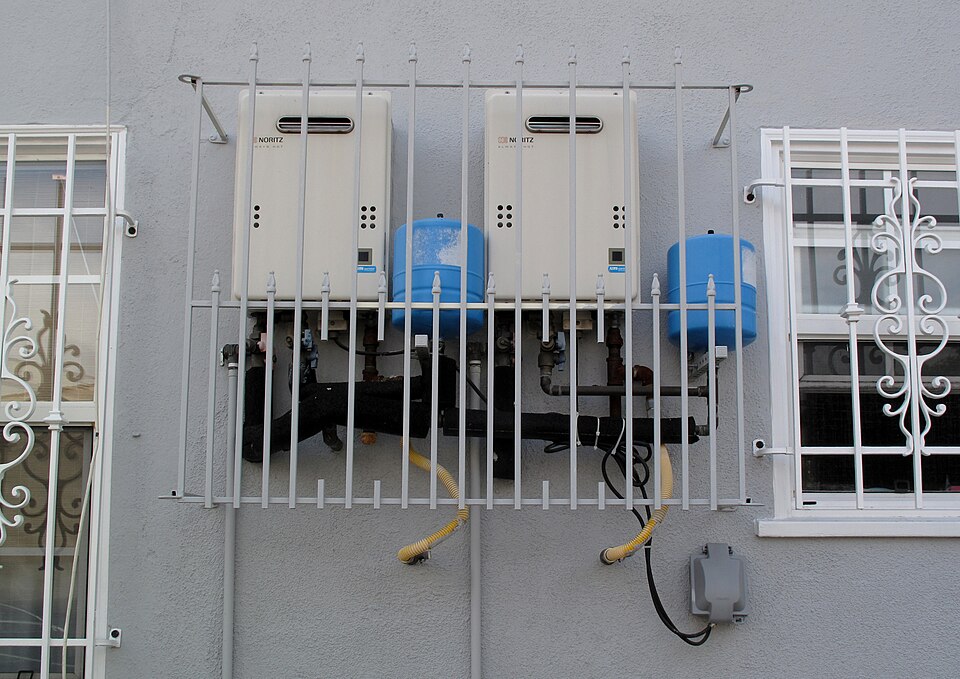
Tankless vs tank vs heat pump water heater: the running-cost math
Tankless gets the attention. For many homes with an electric tank, the heat pump water heater is the bigger saving.

How to read your electric bill, line by line
Most bills split the same kilowatt-hours into half a dozen charges. Once you know which ones you control, the bill gets a lot less mysterious.

Why is my electric bill so high? A checklist that finds the cause
Sudden jumps almost always have a single cause. Work through these checks in order and you will usually find it within an evening.
Time-of-use electricity rates: how they work and how to save on them
Same electricity, different price depending on the hour. Shift a few big loads and the plan pays you back. Ignore it and it can cost you.
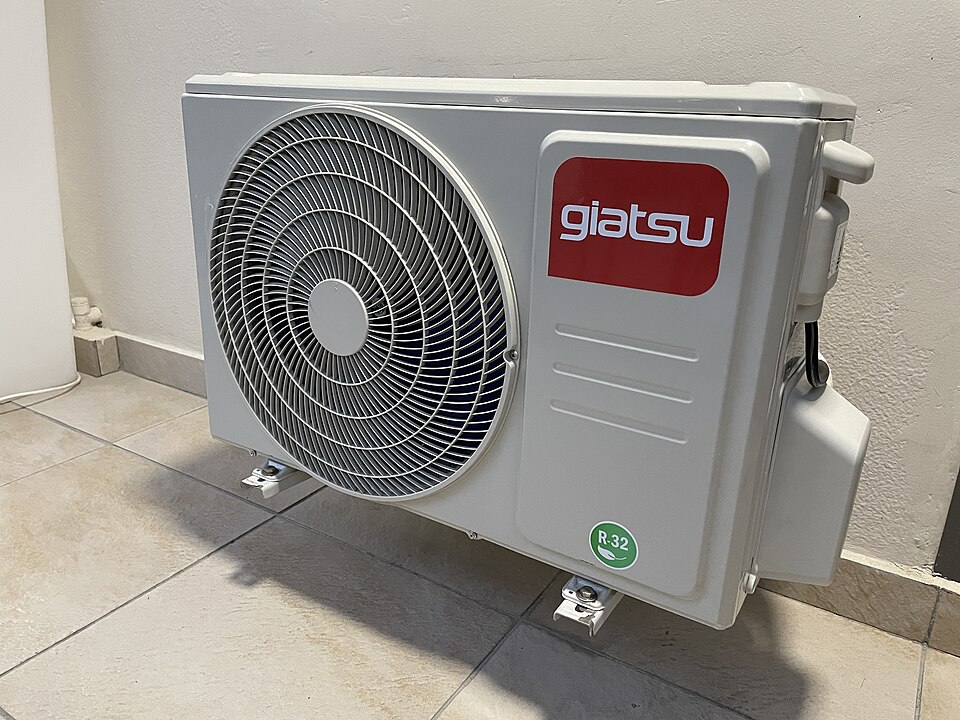
Mini-split or central heat pump? How to choose for your house
If your house has good ducts, use them. If it doesn't, or they run through a hot attic, a ductless system can be the more efficient choice.
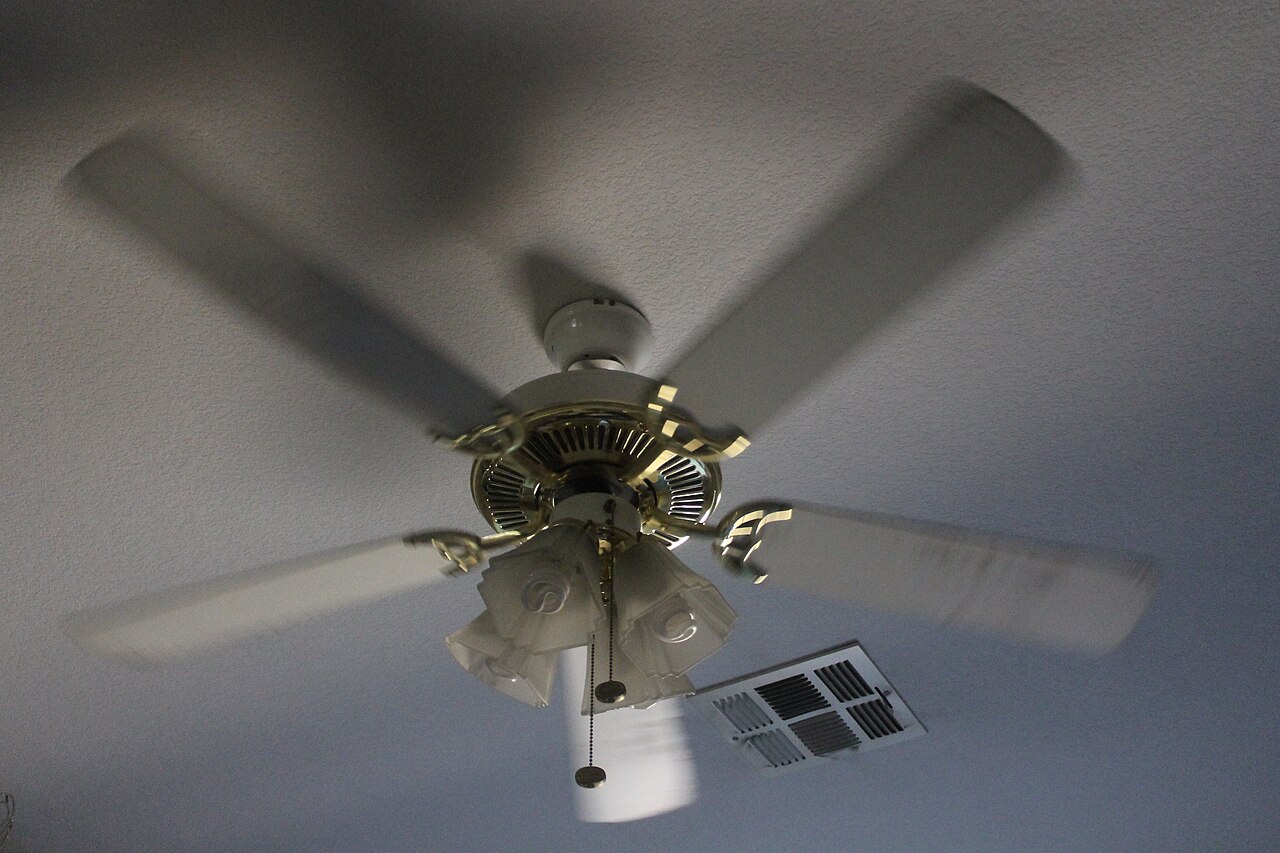
Do ceiling fans save money? Only if you do one thing
A fan costs about a cent an hour. It saves money when it lets you turn the AC up, and wastes money when it spins in an empty room.
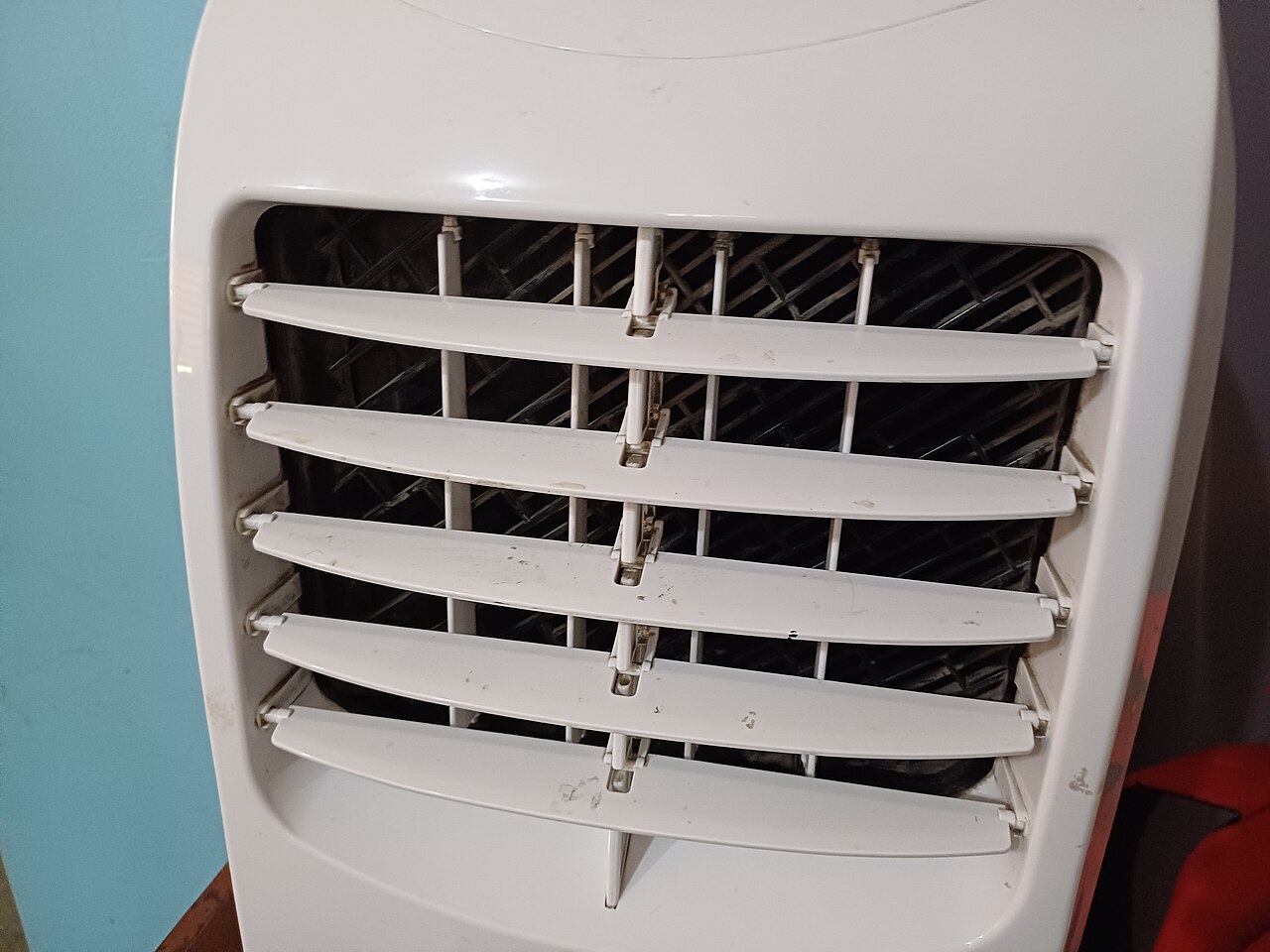
Window vs portable air conditioner: which cools more for less?
If a window unit fits your window, it is almost always the better buy. Portables earn their place only where a window unit can't go.
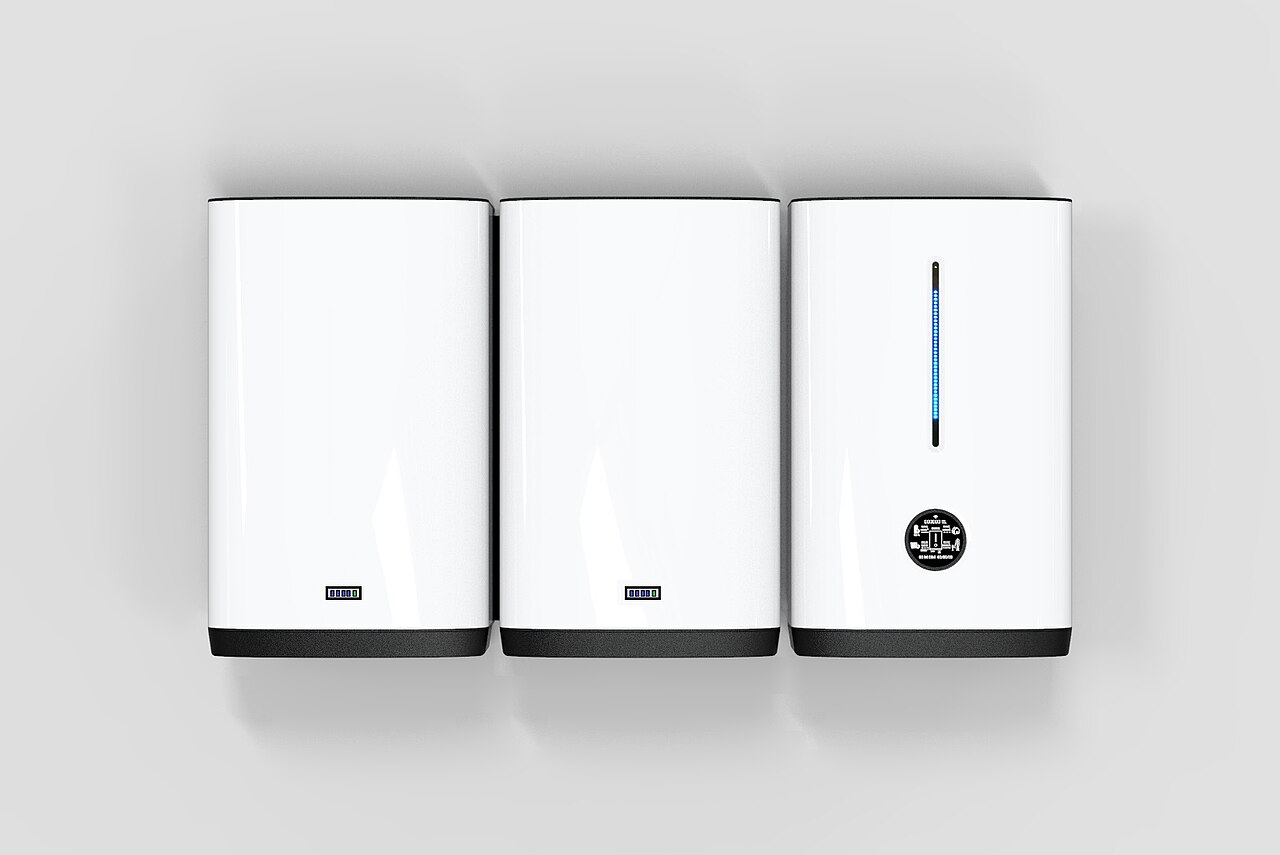
Do home solar batteries save money? The math by rate plan
A battery earns money by moving cheap energy to expensive hours. Under full net metering there is little to move, so the value is mostly backup.
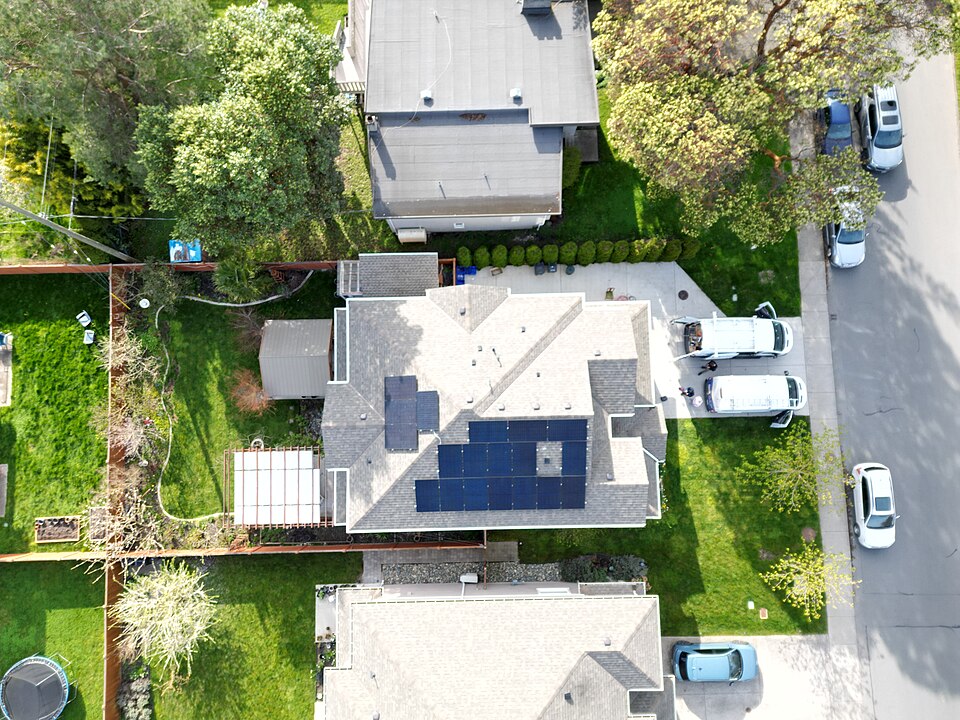
Should you clean your solar panels? When it pays and when it doesn't
In most rainy climates, the rain does the job. In dry, dusty places, or under a flock of birds, a wash can be worth real money.
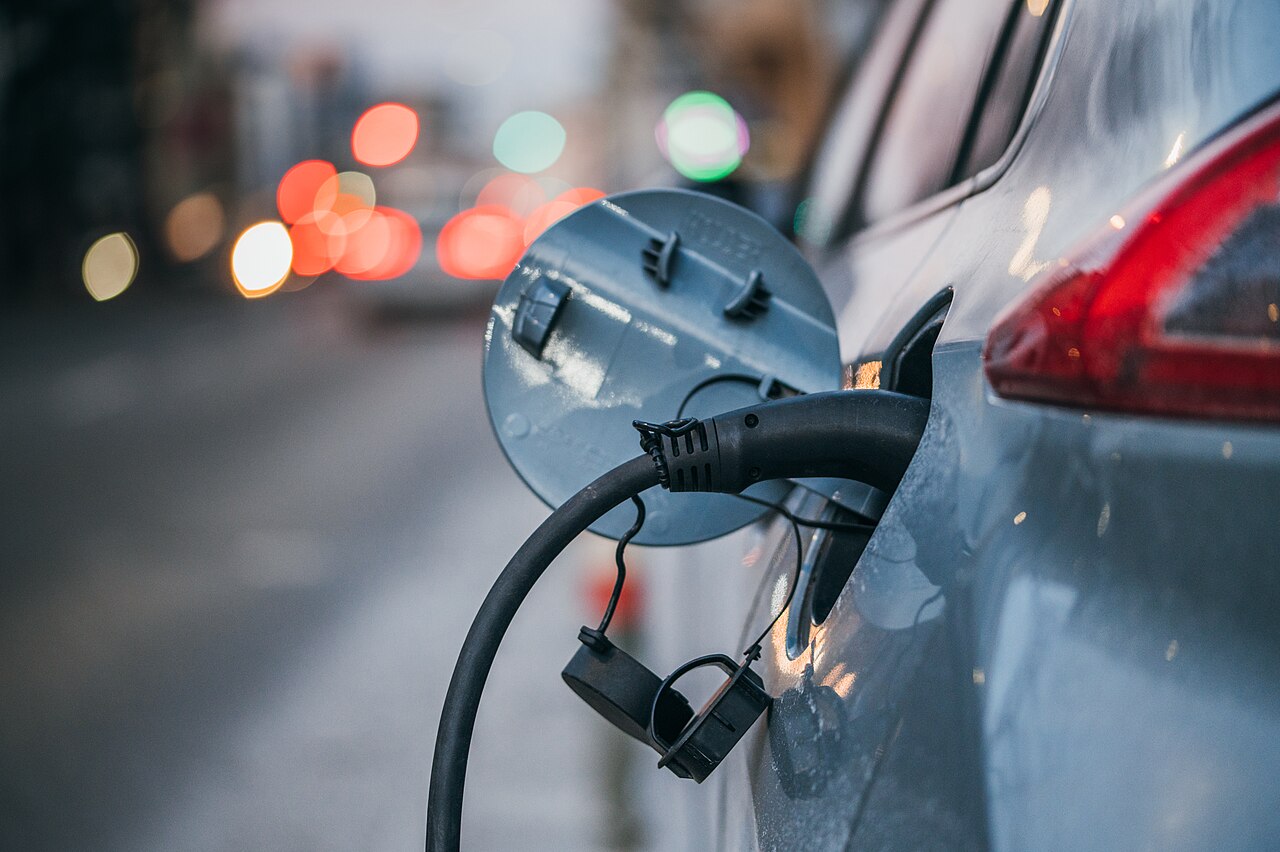
What it costs to charge an electric car at home
Charging at home on a typical rate costs about half as much per mile as a 30 mpg gas car. Fast-charging everywhere can cost more than gas.
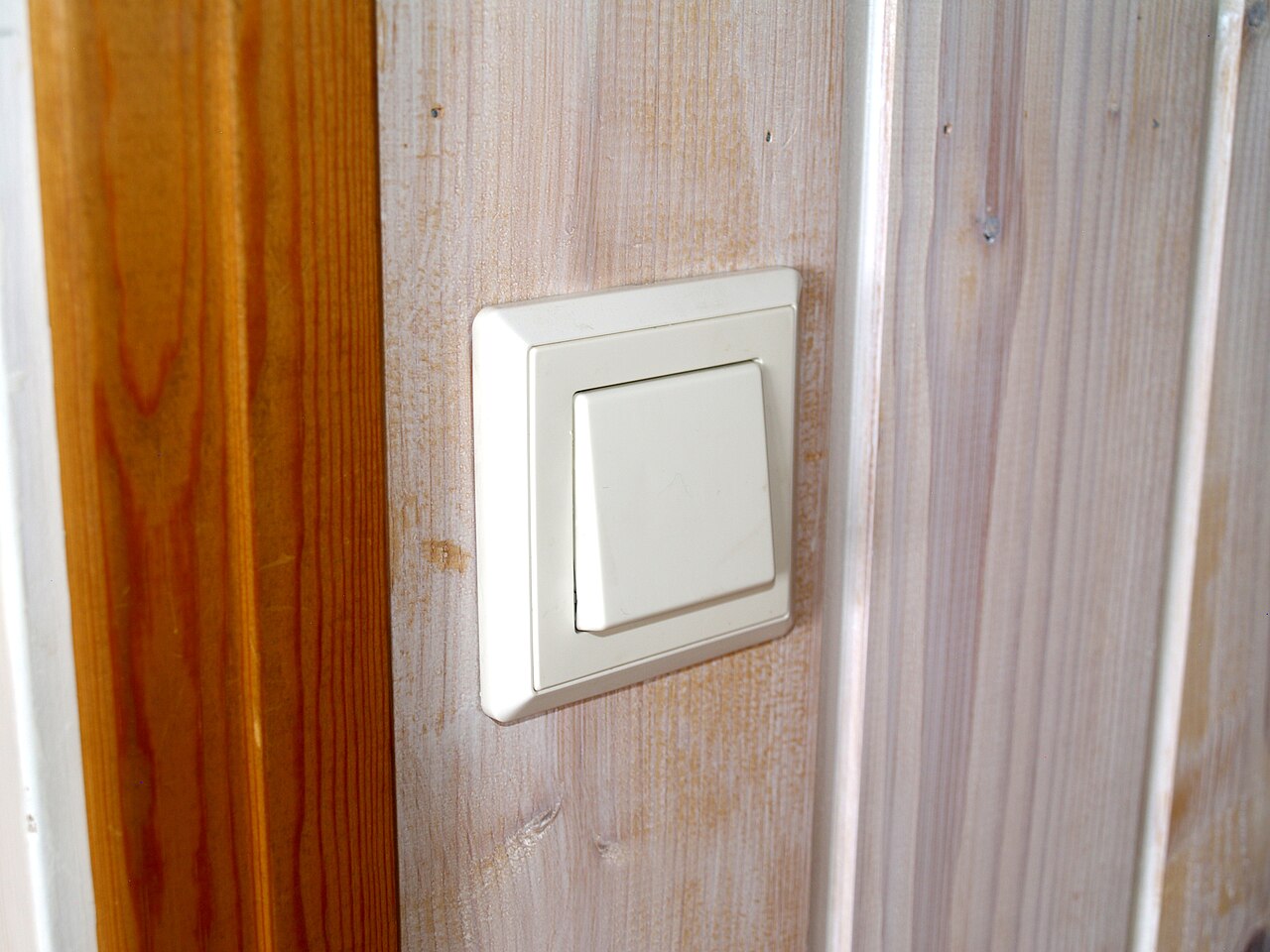
Does unplugging appliances save money? What's worth it and what isn't
Unplugging a phone charger saves pennies. Switching off a cable box, an old console or a forgotten garage freezer can save real money.
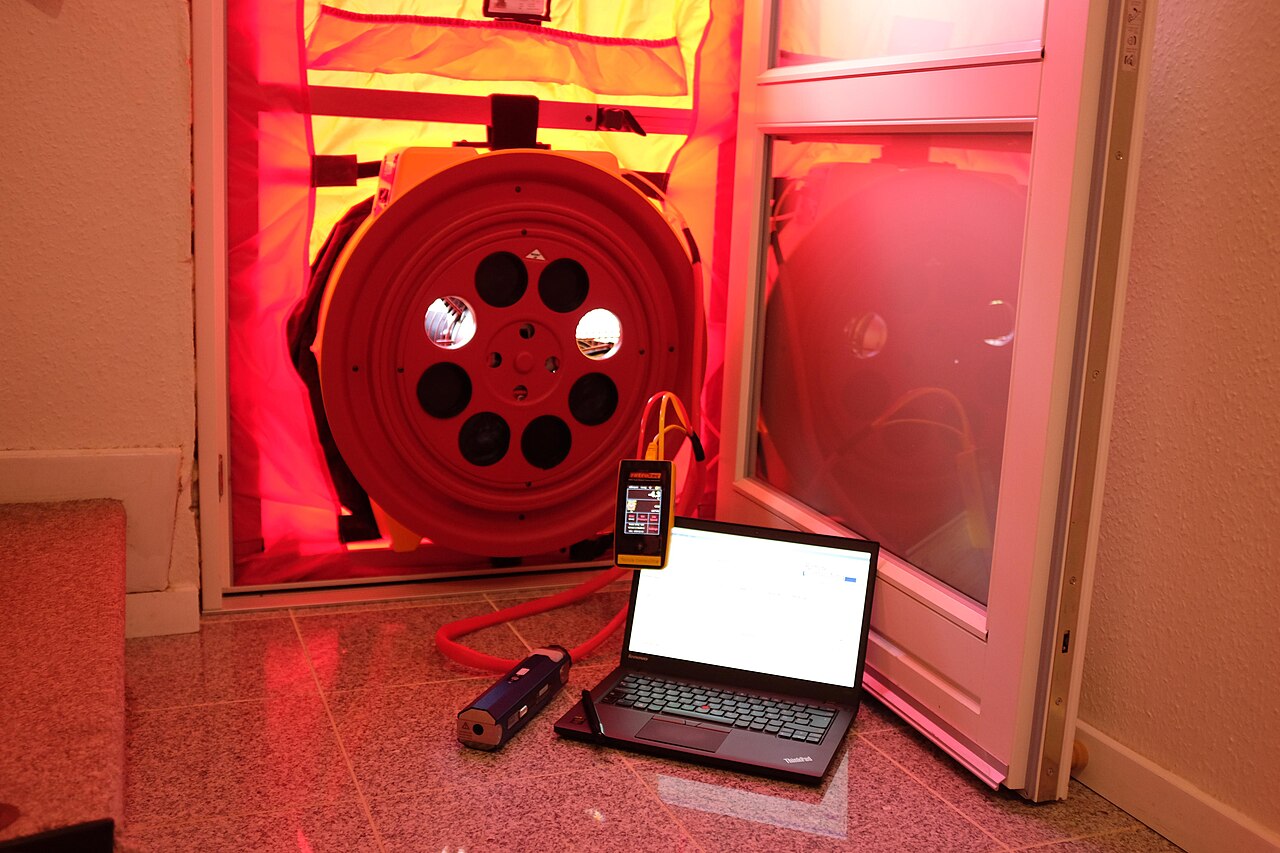
Home energy audits: what happens, what they cost and a DIY version
An auditor depressurizes your house and shows you exactly where the money leaks out. Many utilities pay for most of it.

Weatherstripping doors and windows: a weekend guide
Drafts at doors and windows are the leaks you can feel. They are also the cheapest to fix, with a few dollars of material and an afternoon.
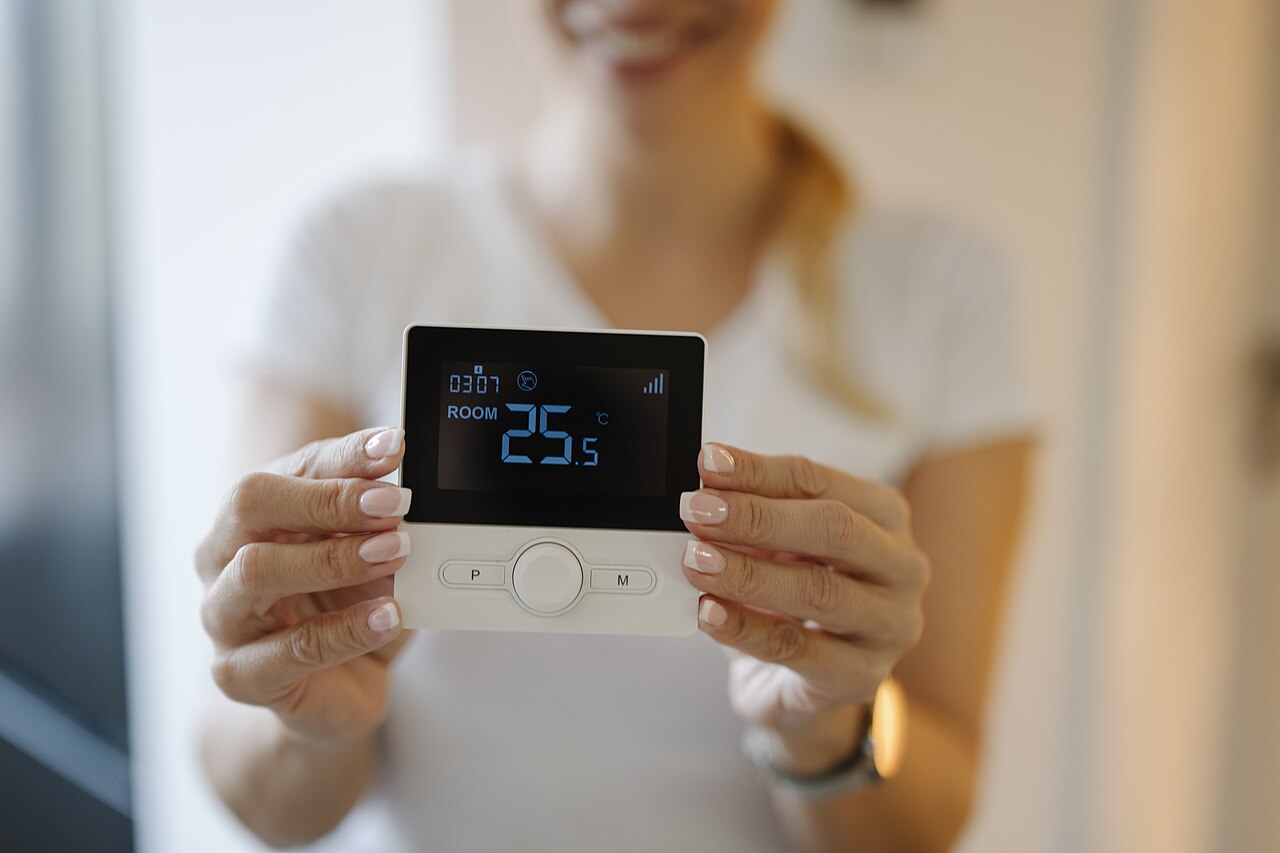
Programmable vs smart thermostat: is the upgrade worth it?
A smart thermostat saves money mostly by doing what a programmable one could, but people actually let it. That is worth more than it sounds.

Pool pump running costs, and why variable speed changes everything
Often one of the biggest electric loads in homes that have one. Slowing the pump down is the single most effective fix, thanks to some simple physics.