The short version
- On a time-of-use plan, electricity costs more during peak hours, often late afternoon and evening.
- The biggest shiftable loads are EV charging, laundry, dishwashing, water heating and pre-cooling the house.
- Households that cannot move much usage away from the evening may pay more than on a flat rate.
- Your utility's rate comparison tool, using your own history, is the honest way to decide.
Electricity is not equally expensive to produce at every hour. On a hot weekday at 6 p.m., everyone is home, air conditioners are running flat out, the sun is going down on solar farms, and the grid has to call on its most expensive power plants. At 2 a.m., demand is low and power is cheap. Time-of-use rates pass that difference on to you.
How a time-of-use plan works
The day is split into periods, typically:
- Peak: the most expensive hours, often a window in the late afternoon and evening on weekdays.
- Off-peak: the cheapest hours, usually overnight and often all weekend.
- Shoulder or mid-peak: some plans add a middle price around the peak window.
The peak price can be much higher than the off-peak price, sometimes double or more on plans designed for EV owners. Many utilities, including the large California utilities, have moved most residential customers to time-of-use plans by default. Your bill shows the plan's name, and the utility's website lists its exact hours and prices.
Who saves and who pays more
You are likely to come out ahead if you:
- Charge an electric vehicle at home.
- Are out at work during the late afternoon and evening on weekdays.
- Can run laundry and the dishwasher late at night or on weekends.
- Have a smart thermostat that can pre-cool the house before the peak.
- Have solar with a battery, or a battery alone.
You may pay more if most of your usage falls in the evening and cannot move: someone home all day with medical equipment, a household that cooks and does laundry after work every evening, or a home in a hot climate with a big air conditioning load right at peak.
The loads worth shifting
EV charging
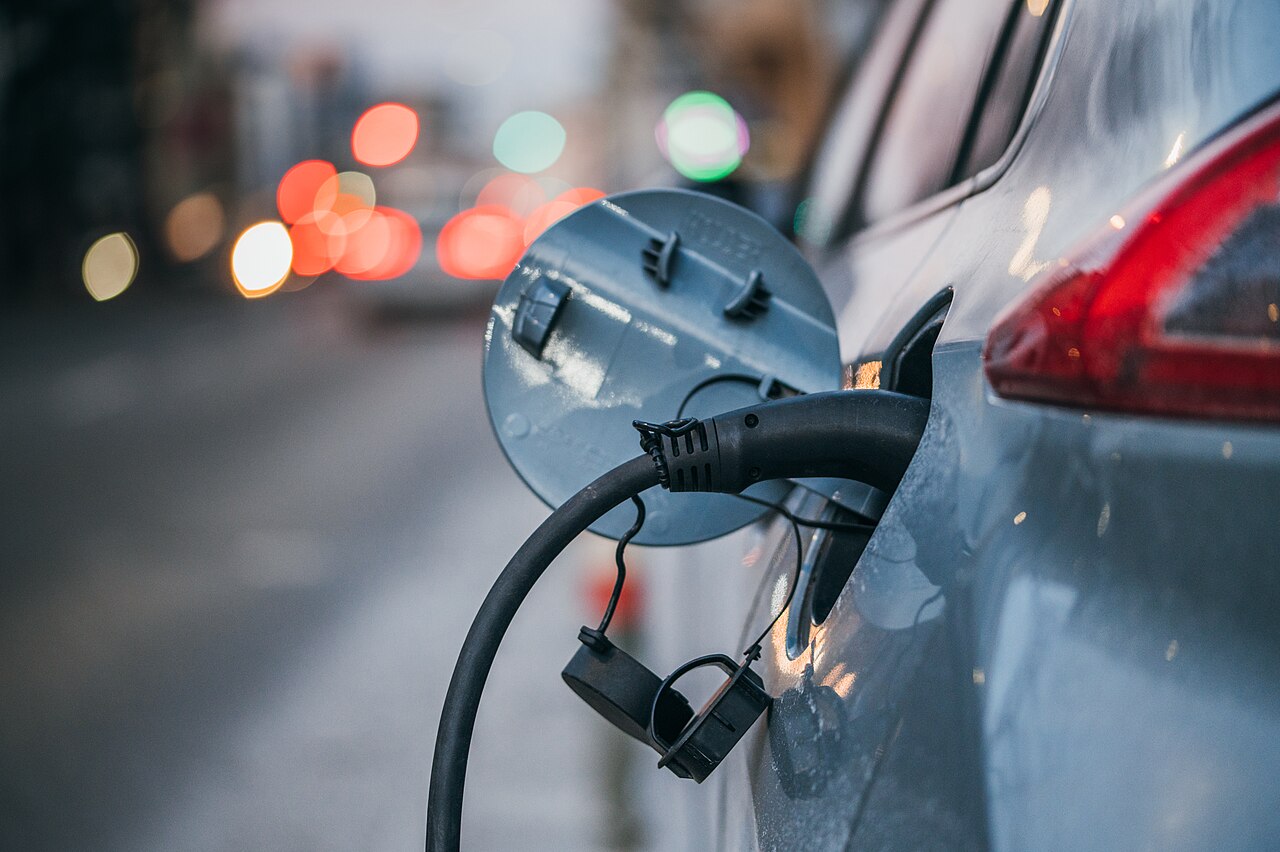
The single easiest win. Set the car or charger to start after peak ends. A typical EV can take thousands of kWh a year, so the difference between peak and off-peak prices adds up quickly. Our EV charging guide runs the numbers.
Laundry and dishwasher
Use delay-start. An electric dryer load is around 3 kWh, so moving five loads a week off-peak is worth having.
Cooling
Pre-cool the house a couple of degrees below your normal setting in the hour or two before peak, then let it drift up a few degrees during the peak window. Well-insulated homes hold the cool much longer. Many smart thermostats can do this automatically when they know your rate plan.
Electric water heating
A timer, a smart controller or a heat pump water heater with a scheduling mode can heat the tank off-peak and coast through the evening.
Pool pumps
Schedule them overnight or midday rather than in the evening. See our guide to pool pump running costs.
How to decide if the plan suits you
- Download your usage history from your utility account. Many show it by hour.
- Use the utility's rate comparison tool if it has one. It runs your actual past usage through each available plan.
- Look at how much of your usage falls in the peak window today, and what you could realistically move.
- Check whether there is a trial period or a guarantee. Some utilities refund the difference if the new plan costs more in the first year.
Whatever plan you are on, the peak hours are worth knowing. Even on a flat rate, the grid is most strained at those times, and shifting use away from them helps keep everyone's long-term costs down.
Questions people ask
What are typical peak hours?
They vary by utility and sometimes by season. Many plans put peak in the late afternoon and early evening on weekdays, when people come home and air conditioners are working hardest. In California, the major utilities' standard residential time-of-use plans use 4 to 9 p.m. Check your own plan's hours on your bill or the utility's website.
Is time-of-use cheaper than a flat rate?
It depends on when you use electricity. If you can move a good share of your usage to off-peak hours, it is often cheaper. If most of your usage falls in the evening and can't move, it may cost more. Many utilities offer a bill comparison based on your past usage.
Do weekends count as off-peak?
On many plans, yes, all day on weekends and some holidays. Others keep the same peak window every day. Your plan's details are on the utility's rate page.
Sources
Numbers on this page are estimates built on the stated assumptions. Your rates, climate and home will change them, so plug in your own figures. Nothing here is financial or professional advice.