The short version
- A 2,000-watt single-speed pump running 8 hours a day costs about $2.72 a day at 17 cents per kWh.
- Pump power falls roughly with the cube of speed: half speed takes around one-eighth of the power.
- Running a variable-speed pump longer at low speed moves the same water for far less energy.
- DOE efficiency standards that took effect in 2021 pushed most new replacement pool pumps toward variable speed.
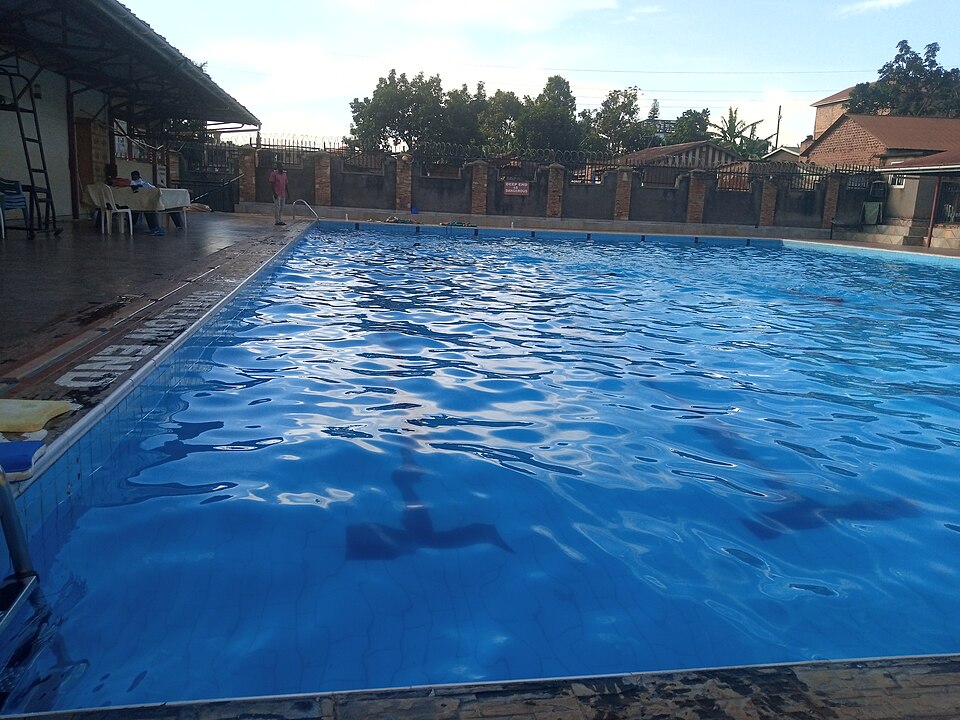
If you own a pool, its pump may be one of the largest electric loads in your home, running for hours every day through the season. Many pool owners have never priced it. Doing so takes a minute, and the answer often points to one change that pays for itself.
What a pool pump costs to run
A typical single-speed pump of 1 to 2 horsepower draws somewhere around 1,500 to 2,500 watts. Check the label on the motor or the manual for the exact figure. At 17 cents per kWh:
| Pump setup | Energy per day | Per day | 180-day season |
|---|---|---|---|
| Single-speed, 2,000 W for 8 h | 16 kWh | $2.72 | $490 |
| Variable-speed, 300 W for 16 h | 4.8 kWh | $0.82 | $147 |
The variable-speed line is a computed example: the pump runs twice as long at low speed. Real figures depend on your pool, plumbing, filter and how fast the pump needs to run to keep the water clear. In warm states where pools run year-round, multiply accordingly. To price your own pump, enter its wattage and hours in the appliance calculator below.
Appliance cost calculator
Pick an appliance or type the wattage from its label. Costs assume it runs every day.
Why slowing down saves so much
Pumps follow what engineers call the affinity laws. Flow rises in step with speed, but the power needed rises roughly with the cube of speed. So at half speed, a pump moves about half the water using only about one-eighth of the power. Run it twice as long and you move the same total water for around a quarter of the energy.
Single-speed pumps cannot take advantage of this. They run at full speed all the time, even though filtering only needs a gentle, steady flow. Variable-speed pumps can run slowly for routine filtering and speed up only for tasks that need it, like vacuuming or running a spa jet.
The Department of Energy set efficiency standards for pool pumps that took effect in July 2021. In practice, they pushed most new replacement pumps of common sizes toward variable-speed designs. ENERGY STAR certifies efficient models.
Run it smarter
- Find the minimum. Reduce daily run time or speed in steps over a few weeks, watching water clarity and chemistry. Many pools need less than owners assume.
- Keep the filter and baskets clean. A clogged filter or skimmer basket makes the pump work harder for less flow.
- Use a cover. It cuts evaporation and heat loss, and keeps debris out, so the pump has less to do.
- Schedule off-peak. On a time-of-use plan, avoid the evening peak. See how time-of-use rates work.
- Watch the heater. An electric resistance pool heater can cost far more than the pump. Heat pump pool heaters and solar covers are much cheaper ways to extend the season.
Should you replace a working single-speed pump?
Compare your current season's running cost with a variable-speed pump's, using your own pump's wattage and hours. A saving of a few hundred dollars a season, as in the example above, pays back a replacement in a few years, sooner with a utility rebate. Many utilities in pool-heavy states offer one. Have a pool professional program the speeds and schedule at installation. A variable-speed pump left running at high speed all day saves very little.
For other big loads worth checking, see our guide to what appliances cost to run.
Questions people ask
How many hours a day should I run my pool pump?
Enough to turn over the pool's full volume about once a day is a common rule of thumb, adjusted for heat, use and how clear the water stays. With a variable-speed pump, the usual approach is to run it longer at low speed rather than a few hours at high speed.
Is it cheaper to run a pool pump at night?
On a time-of-use rate, usually yes, because overnight power is cheaper. On a flat rate the cost is the same, though some owners prefer daytime filtering when the pool is in use and chlorine is breaking down in the sun.
Does a variable-speed pool pump pay for itself?
For pools that run many hours a season, often within a few years, because the energy savings are large. Many utilities offer rebates that shorten the payback further.
Sources
Numbers on this page are estimates built on the stated assumptions. Your rates, climate and home will change them, so plug in your own figures. Nothing here is financial or professional advice.