The short version
- A professional audit usually includes a blower-door test, an infrared scan and a combustion safety check.
- Many utilities and states subsidize audits heavily or offer them free.
- The report should rank upgrades by cost and expected savings. Do the cheap, high-value items first.
- A DIY walk-through catches the obvious problems, but it can't measure air leakage.
If you are about to spend money on new windows, a heat pump or insulation, an energy audit is the cheapest decision you can make first. A few hours of measurement tells you which upgrades will pay back and which will not, and it often reveals problems nobody suspected.
What a professional audit includes
Blower-door test
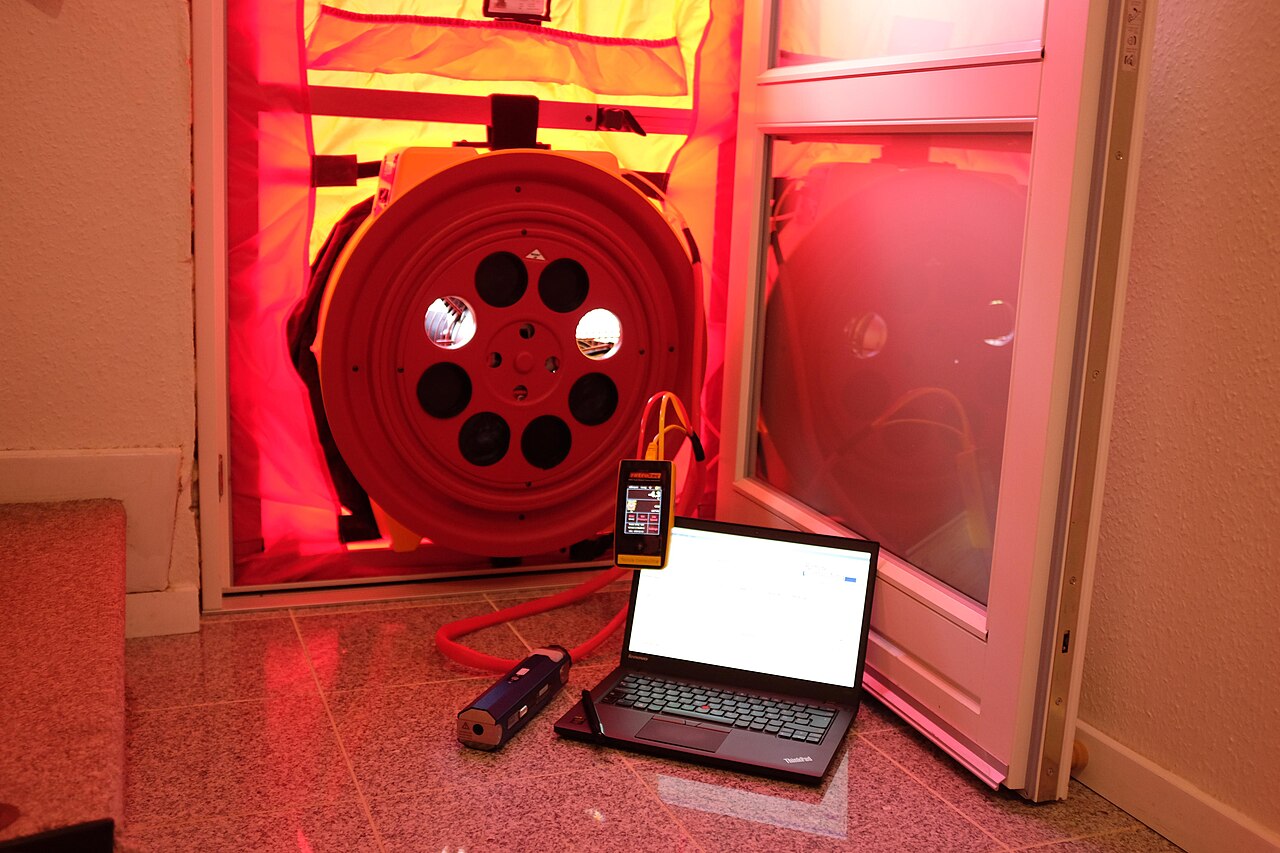
The auditor fits a frame with a powerful fan into an exterior doorway and pulls air out of the house. That lowers the pressure inside, so outdoor air rushes in through every gap. A gauge measures how leaky the house is overall, and the auditor walks through with smoke pencils or an infrared camera to find exactly where the air comes in.
Infrared camera scan
Thermal imaging shows missing or settled insulation in walls and ceilings, cold air streaming in around outlets and baseboards, and leaky duct joints. It works best when there is a good temperature difference between inside and outside.
Combustion safety
If you have a gas furnace, boiler, water heater or stove, the auditor checks that they vent properly and are not producing excessive carbon monoxide, especially under the depressurized conditions that tightening a house can create.
Inspection and report
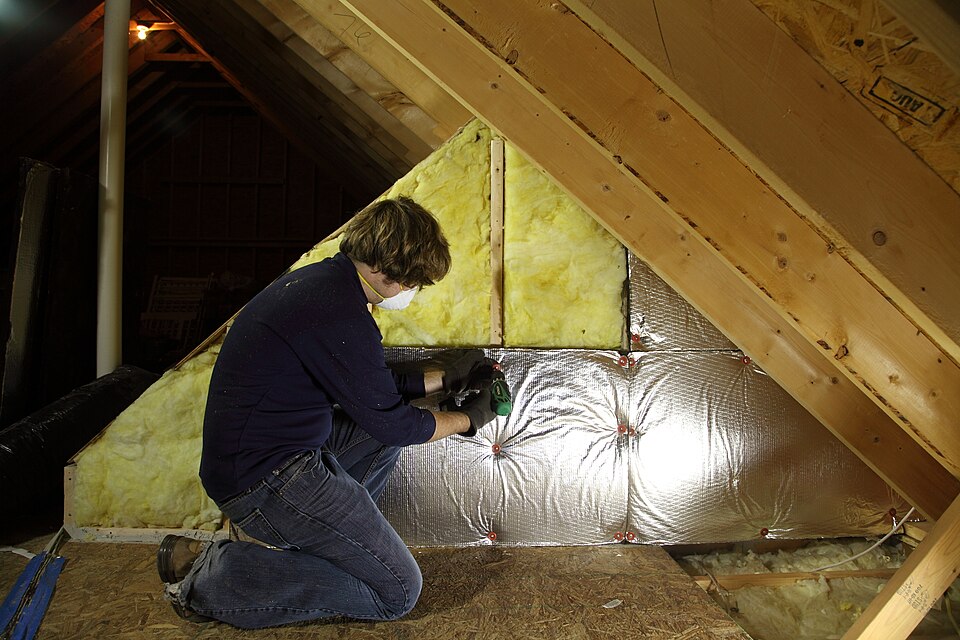
The auditor checks attic and wall insulation, ductwork, heating and cooling equipment, the water heater, lighting and appliances. The report should list recommended upgrades ranked by cost and expected savings.
Finding an affordable audit
Start with your utility. Many offer free or heavily discounted audits, sometimes with free LED bulbs, showerheads or smart strips installed on the spot, and rebates on the work that follows. State energy offices and weatherization assistance programs offer audits too, particularly for lower-income households. DSIRE lists programs by location.
Ask any auditor about their certification (BPI or RESNET are common), what tests they run, and whether they also sell or install the upgrades. An auditor who installs can be convenient, but an independent one has no reason to steer you.
A do-it-yourself walk-through
You cannot measure total air leakage without a blower door, but you can find a lot on your own. The Department of Energy publishes a DIY checklist. The short version:
- Find drafts. On a windy day, hold a stick of incense or a damp hand near window frames, door edges, outlets on exterior walls, baseboards, attic hatches and where pipes and wires go through walls. Moving smoke means moving air.
- Check the attic. Measure insulation depth. If you can see the tops of the ceiling joists, you almost certainly need more. Look for gaps around chimneys, plumbing vents and light fixtures. Our insulation guide has the target depths.
- Check the basement or crawl space. Look at the rim joist where the framing meets the foundation. Daylight or cobwebs moving in a draft mean leaks.
- Inspect ducts you can reach for disconnected joints, gaps and missing insulation.
- Look at equipment age. Note the age of the furnace, AC and water heater, and when filters were last changed.
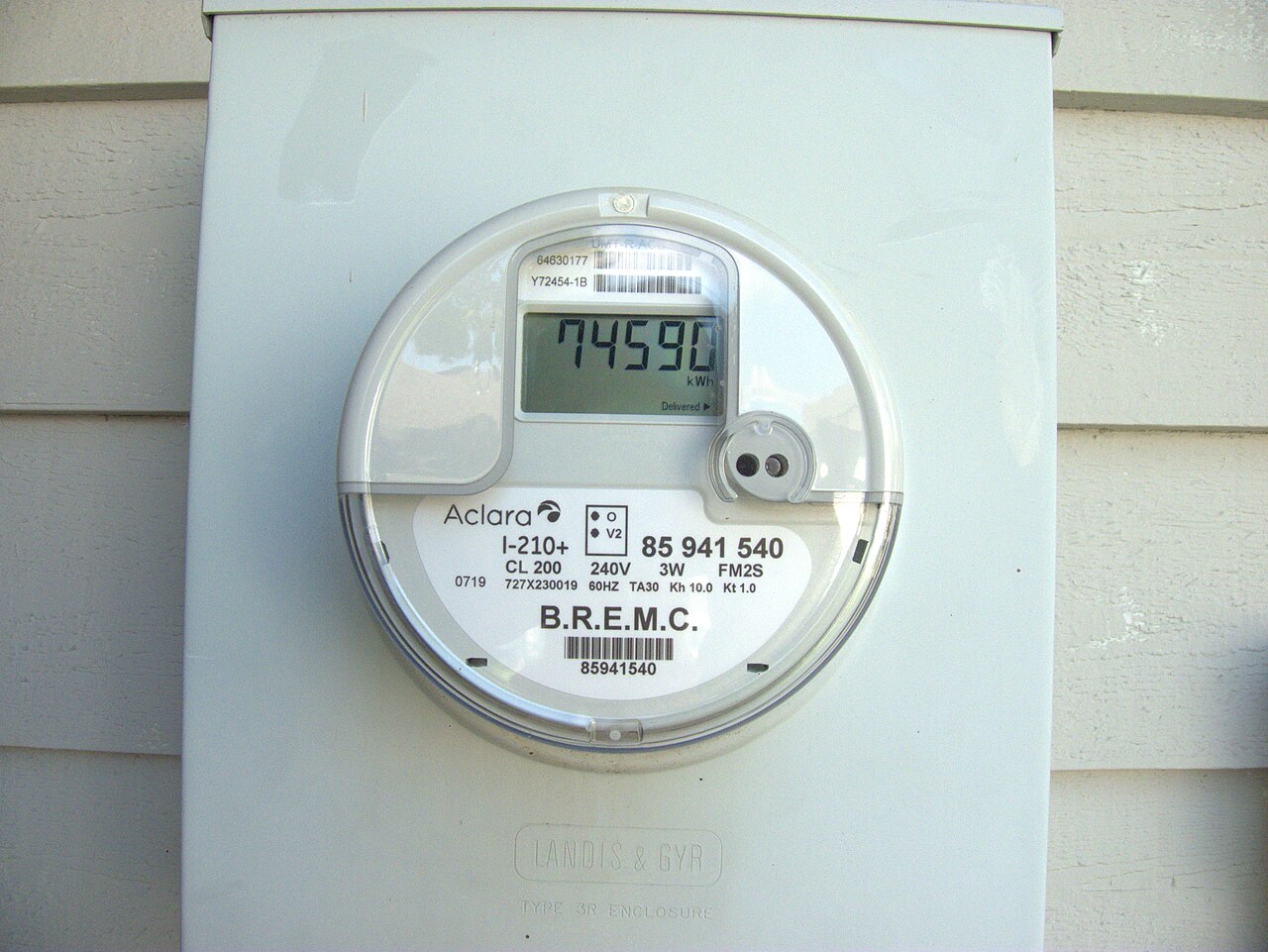
- Read your bills. Twelve months of usage shows how much goes to heating, cooling and baseline. See how to read your electric bill.
What to do with the results
The usual order of value is the same in most homes:
- Free changes: thermostat schedule, water heater temperature, standby settings.
- Air sealing in the attic and basement.
- Attic insulation up to the recommended level.
- Duct sealing, if ducts run through unconditioned spaces.
- Equipment replacement when the old equipment is near the end of its life, sized for the now tighter house.
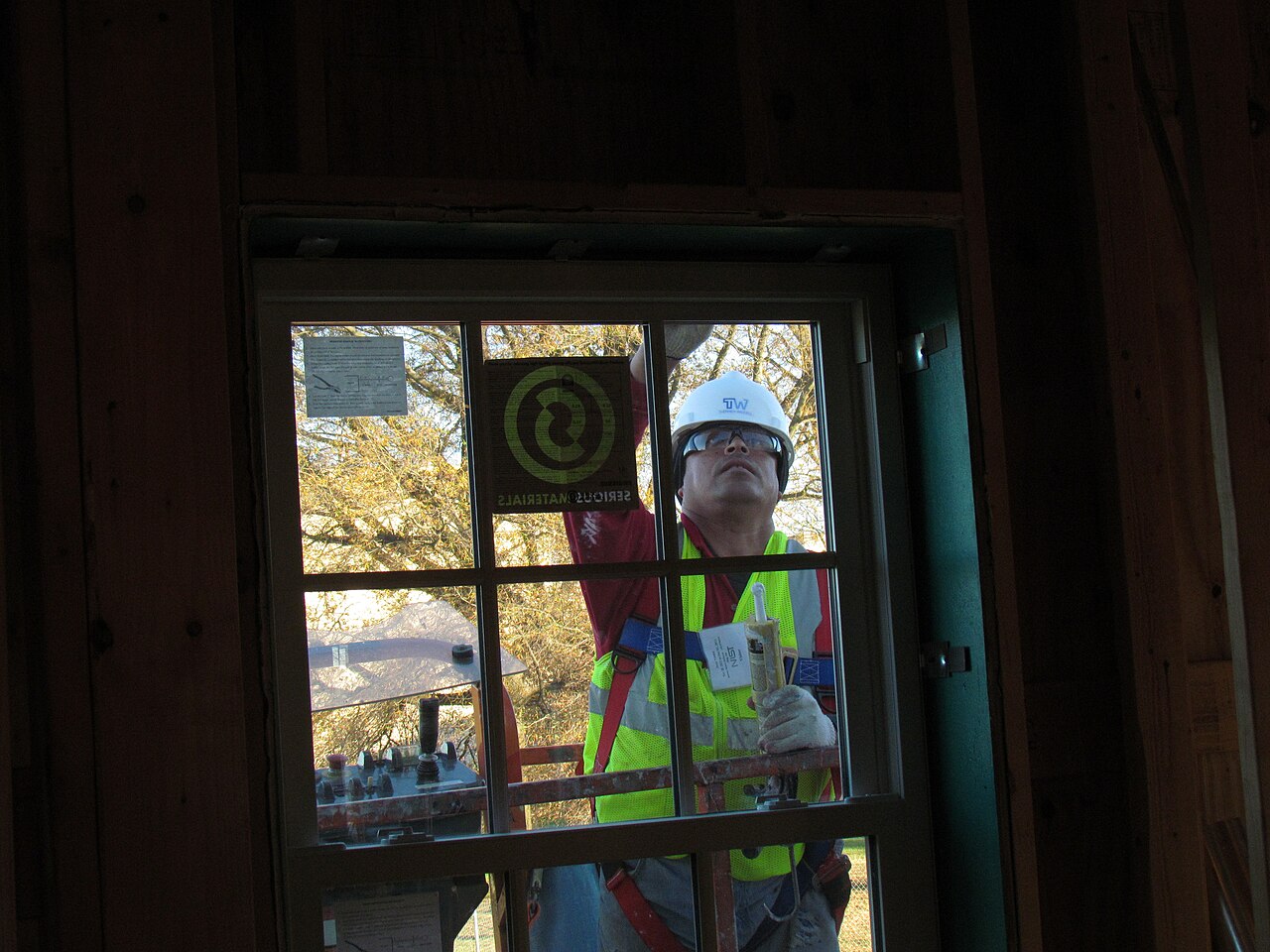
Window replacement usually comes last on energy grounds alone. After any sealing work, if you have gas appliances, ask for a combustion safety retest. A tighter house changes how air moves, and that check keeps it safe. Small fixes like weatherstripping doors and windows are good weekend jobs to start with.
Questions people ask
How much does a home energy audit cost?
Prices vary by region and the depth of the audit, commonly a few hundred dollars for a full audit with a blower-door test. Many utilities and state programs offer them free or at a steep discount, so check before you book.
How long does an energy audit take?
A thorough audit of a typical house often takes two to four hours, including the blower-door test, attic and basement inspection, and appliance checks.
What certifications should an energy auditor have?
Look for credentials such as BPI (Building Performance Institute) or RESNET HERS rater certification, and ask whether the auditor also sells the upgrades they recommend.
Sources
Numbers on this page are estimates built on the stated assumptions. Your rates, climate and home will change them, so plug in your own figures. Nothing here is financial or professional advice.