The short version
- Weatherstripping seals parts that move (doors, sashes). Caulk seals gaps that don't move.
- Match the type to the gap: V-strip for sides of doors and sash tracks, foam or rubber for uneven gaps, a sweep for the bottom of a door.
- A good seal closes the gap without making the door or window hard to shut.
- Bigger, hidden leaks in the attic and basement usually matter more. Do both.
A cold draft along the floor by the front door makes a house feel colder than any thermostat reading. It is also one of the few energy problems you can fix completely in an afternoon, with materials from any hardware store. Here is how to do it so the seals actually work and last.
Step 1: Find the drafts
Pick a cool, windy day. Close all windows and exterior doors, turn on bathroom and kitchen exhaust fans to pull the house slightly negative, then move slowly along each door and window with a lit stick of incense or a damp hand. Wavering smoke or a cool spot marks a leak. Mark each one with painter's tape.
Two other quick tests: close a door or window on a sheet of paper. If it slides out with no resistance, the seal is not touching there. And at night, have someone shine a flashlight around the door frame from outside while you look for light from inside.
Step 2: Choose the right material
| Type | Best for | Notes |
|---|---|---|
| V-strip (tension seal) | Sides of doors, double-hung sash tracks | Vinyl or metal, springs open to fill the gap. Durable, nearly invisible. |
| Foam tape | Uneven gaps, tops of sashes, rarely opened windows | Cheap and easy; wears faster on busy doors. |
| Tubular rubber or silicone | Door jambs with larger or irregular gaps | Seals well, lasts long; some types need a kerf slot. |
| Door sweep | Bottom of exterior doors | Screws to the door; adjust so it brushes the threshold. |
| Door shoe or threshold gasket | Bottom of doors with worn thresholds | Replaces or adds a rubber seal at the sill. |
| Caulk | Gaps that never move: trim, frames, siding joints | Not weatherstripping, but often needed alongside it. |
The Department of Energy's weatherstripping page has a longer list with the pros and cons of each.
Step 3: Install it properly
- Clean and dry the surface. Adhesive products fail fast on dirty or damp wood. Wipe with rubbing alcohol and let it dry.
- Work in mild weather if you can. Most adhesives want temperatures above about 50°F.
- Measure twice, cut once, and use one continuous piece per side where possible. Gaps at the joints let air through.
- Fit it snugly but not too tight. The door or window should close and latch without forcing. A seal that is crushed too hard wears out quickly and can stop the latch catching.
- Adjust the strike plate if a door does not pull tight against its seal. Moving it a fraction of an inch can close a gap that no weatherstripping would.
- Fit the sweep last, adjusting it to touch the threshold lightly along its whole length.
Step 4: Caulk what doesn't move
Run a bead of caulk where window and door trim meets the wall, inside and out. Use paintable acrylic latex indoors and a durable exterior-grade sealant outside. Remove old, cracked caulk first. Hold the gun at a steady angle and smooth the bead with a wet finger or a tool. On older double-hung windows that you never open in winter, removable rope caulk or clear peelable caulk seals the sashes for the season.
Don't stop at the doors
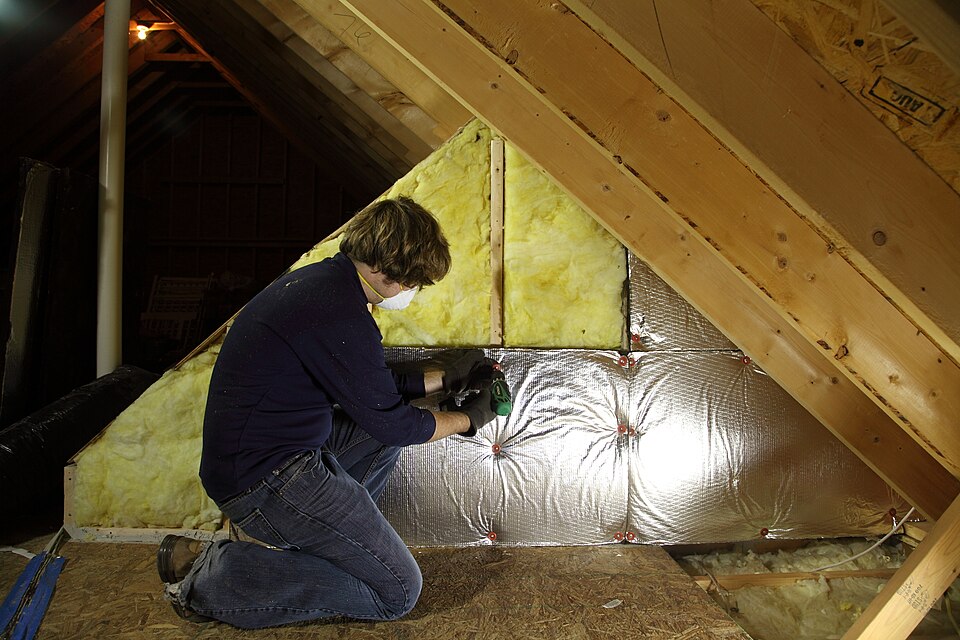
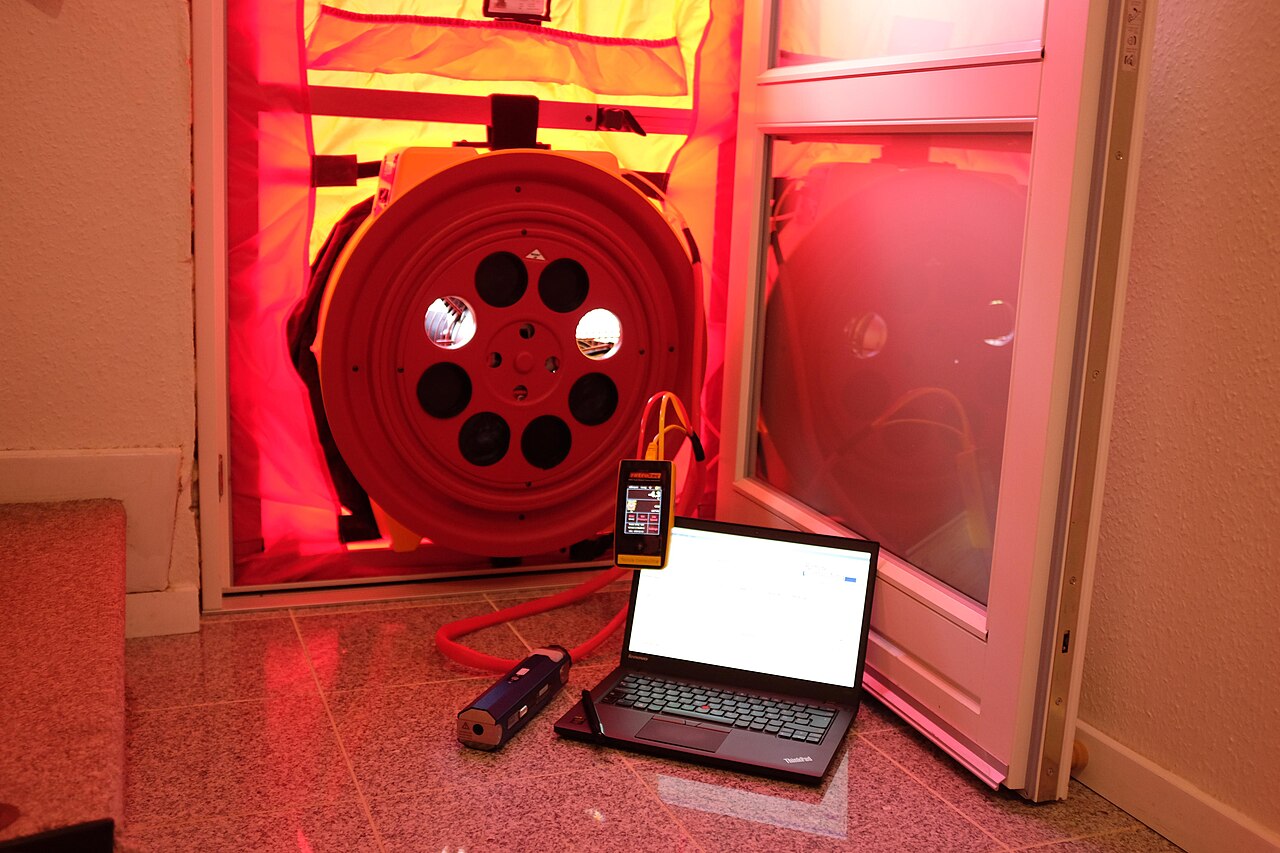
Doors and windows are the drafts you can feel, but they are rarely the biggest leaks in a house. Hidden gaps in the attic floor and around the basement rim joist usually let more air through, because warm air rises and pushes out at the top of the house. Once the doors are done, our guide to air sealing and attic insulation covers the next step, and a home energy audit can find the rest.
Questions people ask
How long does weatherstripping last?
It depends on the material and how often the door or window is used. Foam tape may last a season or two on a busy door; metal and quality rubber or silicone products can last many years. Check seals each fall.
Can I weatherstrip a rental?
Most removable products, like adhesive foam, door sweeps that screw on, and draft stoppers, are easy to remove. Ask your landlord before making permanent changes; many are happy to have drafts fixed.
Is caulk or spray foam better for gaps around window trim?
Caulk, for gaps up to about a quarter inch between trim and wall. Low-expansion foam suits larger gaps hidden behind trim, between the window frame and the rough opening. Standard expanding foam can bow window frames.
Sources
Numbers on this page are estimates built on the stated assumptions. Your rates, climate and home will change them, so plug in your own figures. Nothing here is financial or professional advice.