The short version
- ENERGY STAR says typical duct systems lose 20–30% of their air to leaks. Ductless systems avoid that loss.
- Mini-splits heat and cool room by room, so unused rooms can be left alone.
- Ducted systems keep equipment out of sight and treat the whole house evenly.
- Many homes end up with a mix: ducted for the main floor, a mini-split for an addition or a hard-to-heat room.
Once you have decided a heat pump makes sense, which our heat pump guide helps with, the next question is the shape of the system. Ducted or ductless, or both. The right answer depends far more on your house than on the equipment.
Two ways to deliver the same heat
Ducted (central) heat pump
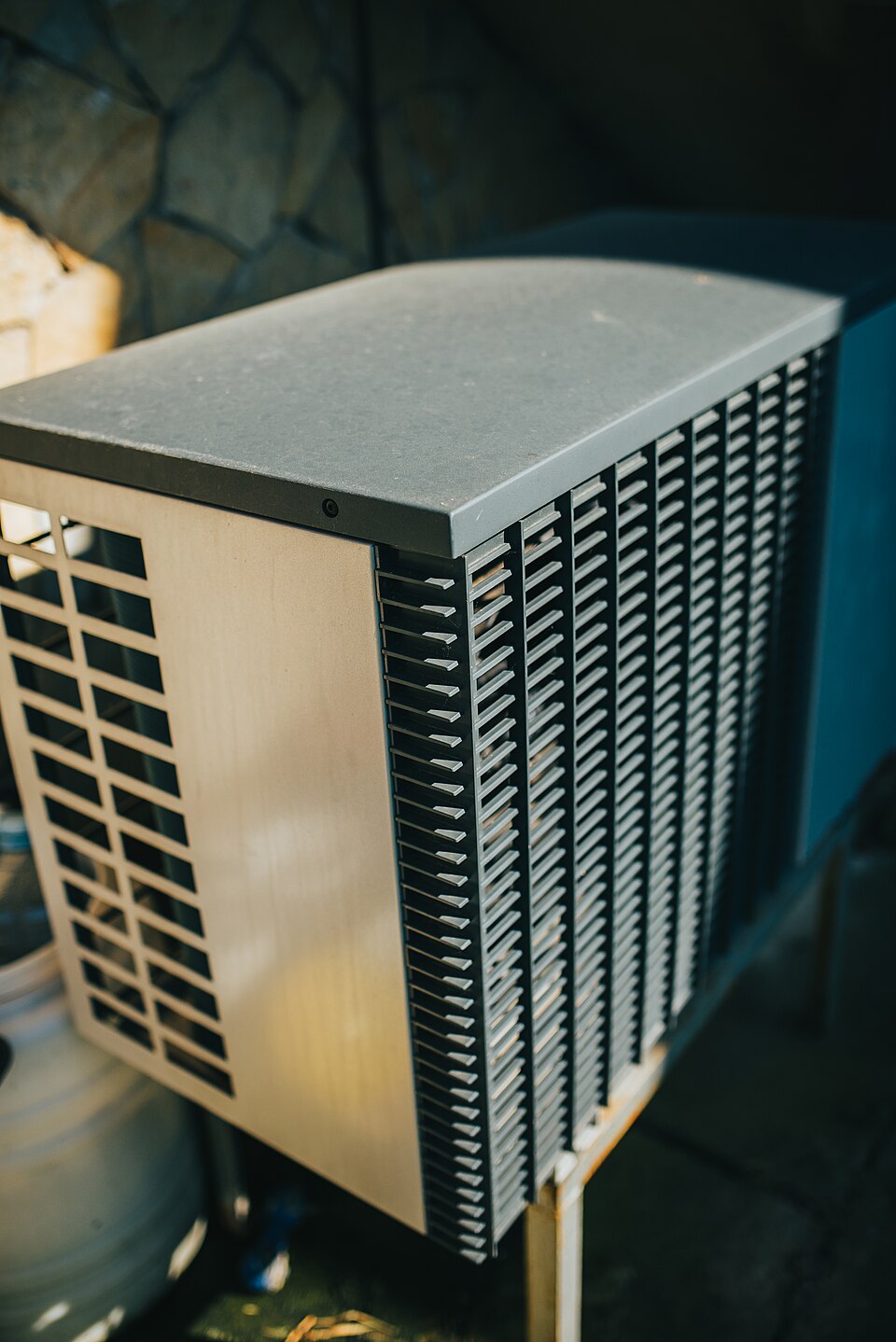
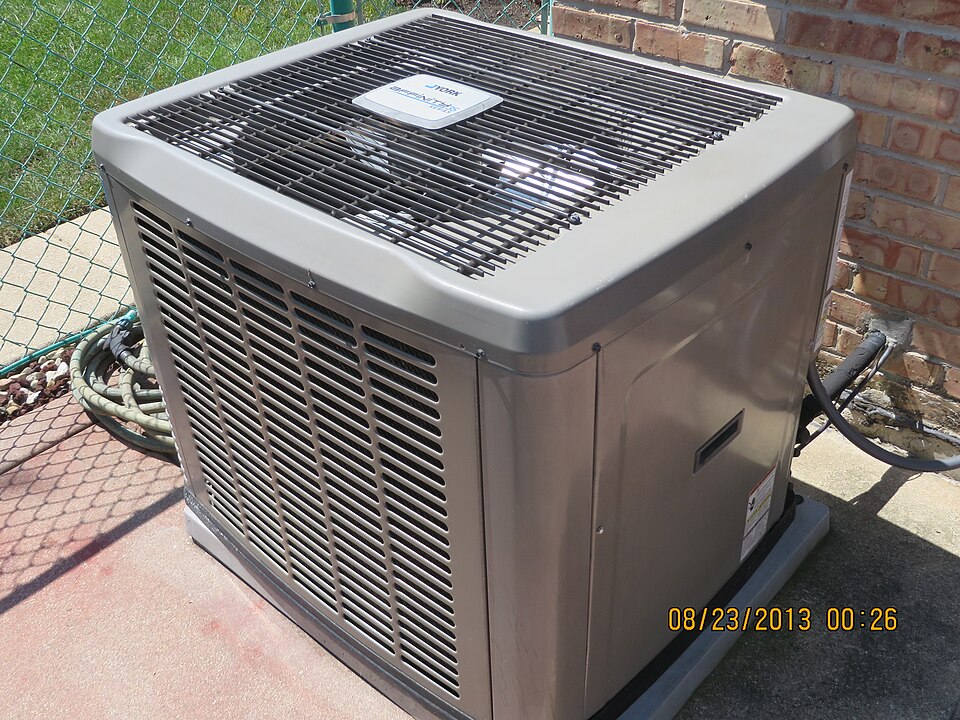
One outdoor unit connects to an indoor air handler, which pushes warm or cool air through ducts to vents in each room, exactly like a central air conditioner or furnace. One thermostat usually controls the whole house, though zoning is possible.
Ductless mini-split
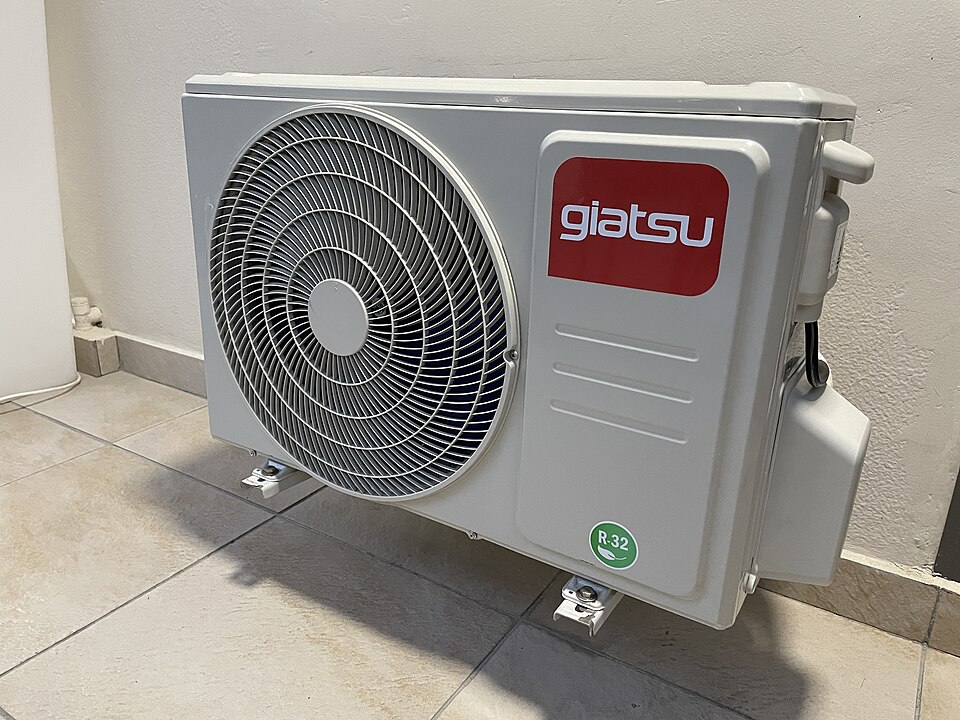
An outdoor unit connects by small refrigerant lines to one or more indoor heads mounted on walls or ceilings. Each head heats or cools its own room and has its own control. "Multi-zone" systems run several heads from one outdoor unit.
The case for ductless
- No duct losses. ENERGY STAR says a typical duct system loses 20–30% of the air moving through it. When those ducts run through an attic or crawl space, that is conditioned air you pay for and lose.
- Room-by-room control. Heat the rooms you use, leave guest rooms alone.
- Easy retrofit. Homes heated by boilers, baseboards or wood stoves have no ducts. Adding ducts is disruptive and expensive. A mini-split needs only a small hole through the wall for its lines.
- Additions and problem rooms. A sunroom, a garage conversion or a bonus room over the garage that the central system never handles well.
The case for ducted
- You already have good ducts. If the ducts are sound, sealed and mostly inside the heated part of the house, reusing them is usually the cheapest route.
- Even whole-house comfort. Air reaches every room, including bathrooms and hallways that rarely get their own mini-split head.
- Nothing on the walls. Some people do not like the look of wall-mounted heads. Ceiling cassettes and concealed ducted mini-splits exist, at higher cost.
- Whole-house filtration. A central air handler can take a thick, high-grade filter.
Questions that decide it
- Do you have ducts, and where are they? Ducts inside the living space: ducted is attractive. Ducts in a vented attic or crawl space: get them tested for leakage, and price sealing and insulating them against going ductless.
- How many rooms need separate control? Every extra mini-split head adds cost. A five-bedroom house fully served by heads can cost more than a ducted system.
- How open is the floor plan? Open plans suit a small number of heads. Many small closed rooms favor ducts.
- Who will maintain it? Each mini-split head has a filter that needs rinsing every month or two, and the heads need periodic professional cleaning.
The hybrid answer
Many homes do best with a mix: a ducted heat pump for the main living space, and a single mini-split head for the addition, the finished attic or the room above the garage. It is also a gentle way to start. One mini-split in the main living area, with the old furnace kept for backup, can take on most of the heating load in a mild or moderate climate at modest cost.
Whichever you choose, insist on a room-by-room load calculation (Manual J), equipment sized to it, and a clear statement of the system's heating capacity at your local design temperature. And seal and insulate the house first, so you can buy a smaller system. Our air sealing guide covers that step.
Questions people ask
How many mini-split heads do I need?
Usually one per main living area or bedroom that needs its own control. Open-plan spaces can share one head. A contractor should size each head from a room-by-room load calculation, not by square footage alone.
Are mini-splits more efficient than central air?
The units themselves are often among the most efficient on the market, and they avoid duct losses entirely. A ducted system with tight, well-insulated ducts inside the conditioned space can come close. One with leaky ducts in a hot attic will not.
Can I put a heat pump on my existing ducts?
Usually yes. A ducted heat pump connects to existing ductwork the way a central air conditioner does. Ducts sized only for cooling, or very leaky ducts, may need work first.
Sources
Numbers on this page are estimates built on the stated assumptions. Your rates, climate and home will change them, so plug in your own figures. Nothing here is financial or professional advice.