The short version
- Window units sit with their hot side outdoors, so less of their effort is wasted.
- Single-hose portables blow indoor air outside, which pulls hot outdoor air back in through gaps.
- Size by room area: ENERGY STAR suggests about 5,000 BTU for 100–150 sq ft up to 12,000 BTU for 450–550 sq ft.
- An oversized unit cools fast but leaves the room clammy.
Both machines do the same job: they take heat out of a room and dump it outside. How well they do it depends on where the hot half of the machine sits, and that is where the window unit has a built-in advantage.
Why window units are more efficient
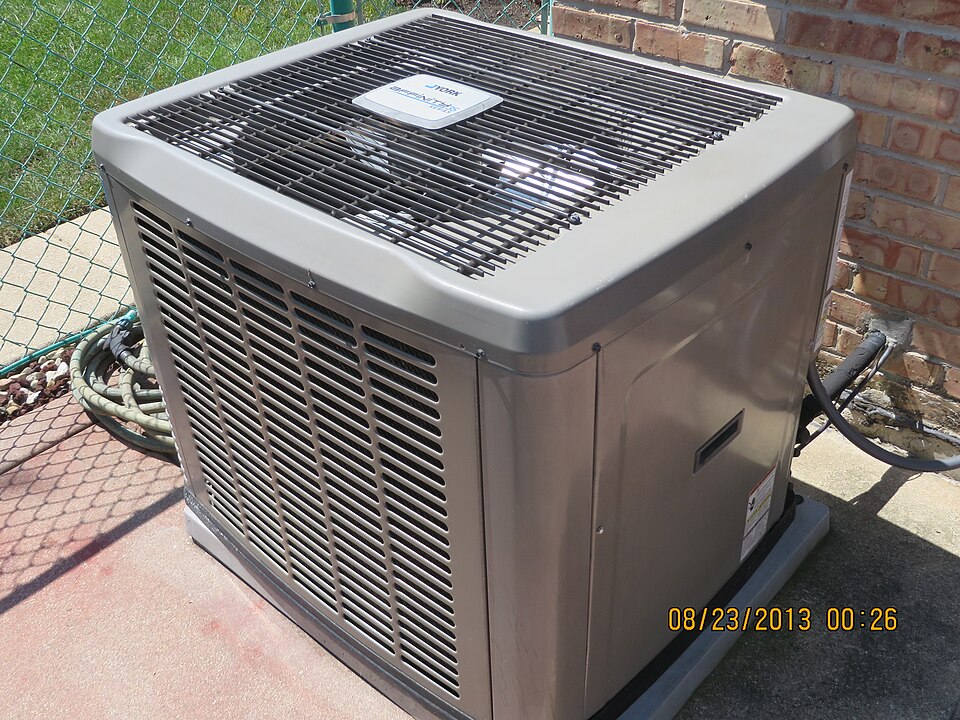
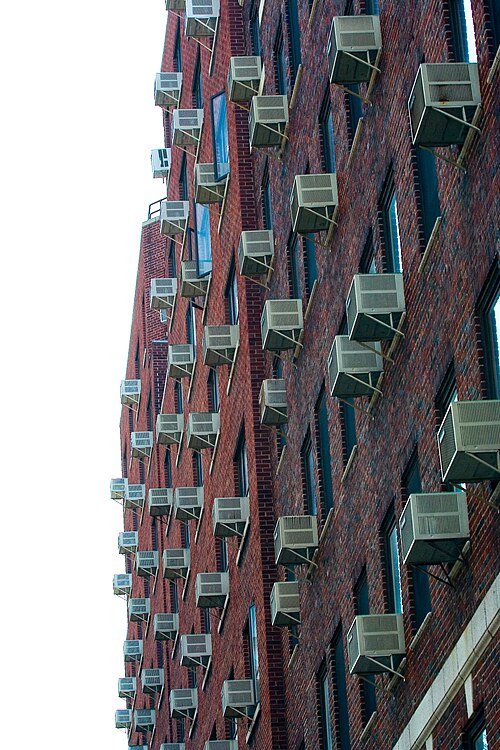
An air conditioner has a cold side (the evaporator, which cools the room) and a hot side (the condenser, which gets rid of the heat). A window unit straddles the window sill. Its hot side sits outdoors, where the heat can escape freely.
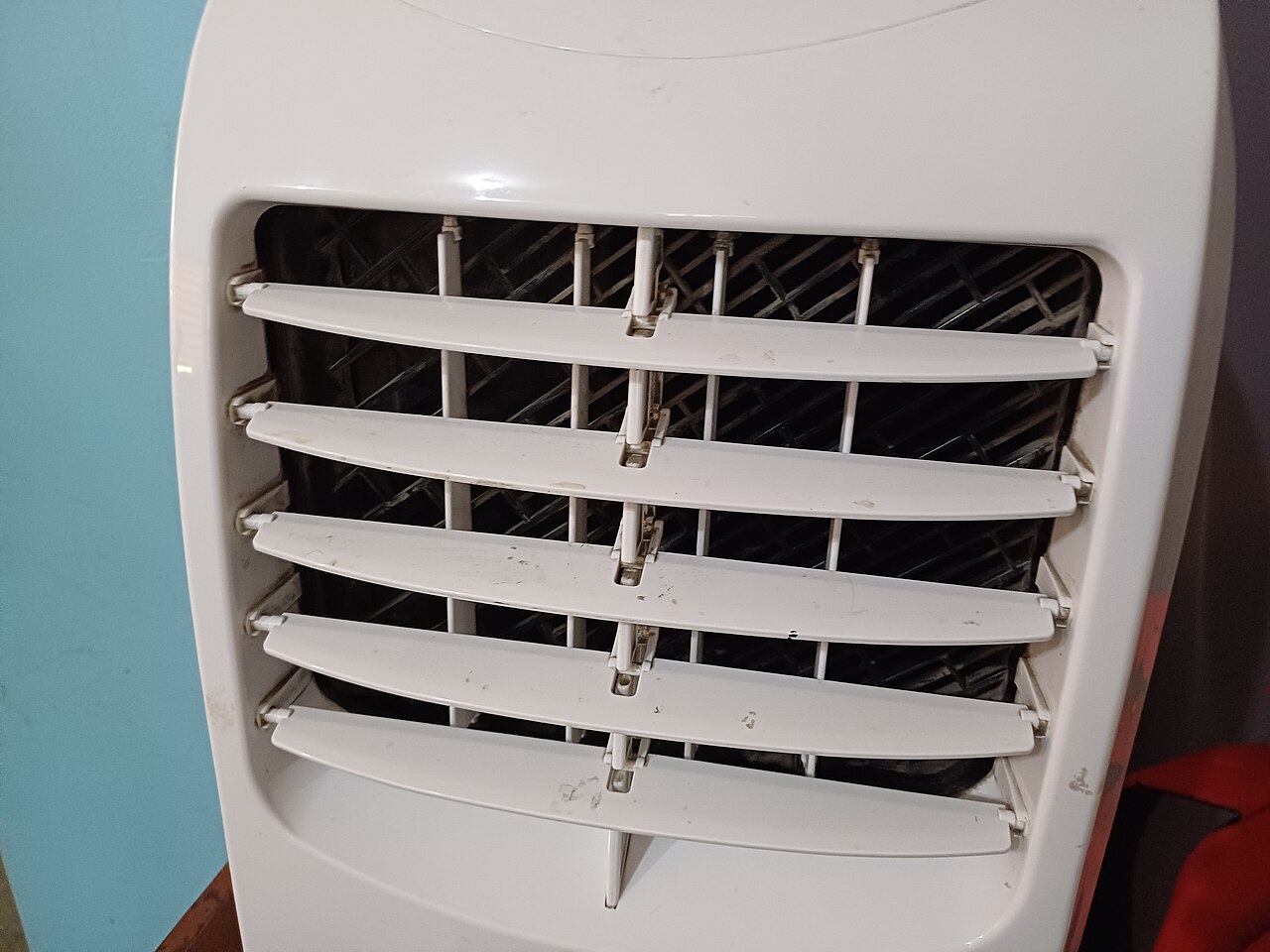
A portable unit sits entirely inside the room. Its hot side is indoors too, so it has to blow that heat out through a hose. The hose itself gets warm and radiates some heat back into the room, and any gap in the window kit lets heat back in.
Single hose vs dual hose
Most cheap portables are single-hose. They pull air from your room to cool the hot side, then blow it out of the window. That puts the room under slight negative pressure, so warm air from outside and from the rest of the house leaks in through door gaps and cracks to replace it. Part of what the unit cools, it then has to cool again.
Dual-hose portables pull outdoor air in through one hose to cool their hot side and blow it out through the other, without using the room's air. They tend to perform noticeably better in hot weather, for a higher price.
Get the size right
ENERGY STAR publishes a sizing guide for room air conditioners based on floor area:
| Room area | Capacity needed |
|---|---|
| 100–150 sq ft | 5,000 BTU/h |
| 150–250 sq ft | 6,000 BTU/h |
| 250–300 sq ft | 7,000 BTU/h |
| 300–350 sq ft | 8,000 BTU/h |
| 350–400 sq ft | 9,000 BTU/h |
| 400–450 sq ft | 10,000 BTU/h |
| 450–550 sq ft | 12,000 BTU/h |
ENERGY STAR suggests adjustments: add about 10% for a very sunny room, subtract 10% for a heavily shaded one, add 600 BTU per person beyond two who regularly use the room, and add 4,000 BTU if it is a kitchen.
Bigger is not better. An oversized unit cools the air quickly and shuts off before it has time to pull moisture out, leaving the room cold and clammy. Check portable units' "SACC" rating, which reflects real performance better than the larger headline BTU figure older models advertised.
Running costs
A window unit around 8,000 to 10,000 BTU typically draws somewhere around 700 to 1,000 watts while its compressor runs, or about 12 to 17 cents an hour at 17 cents per kWh. A portable with the same nominal capacity usually uses similar power but delivers less cooling to the room, so it runs longer for the same comfort. Use the appliance calculator with the wattage on your unit's label.
When a portable makes sense
- Your windows are casements or sliders that a window unit cannot fit.
- Your lease, building or homeowners' association does not allow window units.
- You need to move the cooling between rooms.
If you go portable, choose dual-hose if you can, keep the exhaust hose as short and straight as possible, seal the window panel with foam weatherstrip, and close the door of the room you are cooling.
Small changes that help either one
- Close blinds on sun-facing windows during the afternoon.
- Clean the filter every couple of weeks in peak season.
- Seal gaps around a window unit with the foam strips that come with it, plus extra weatherstrip if needed.
- Use a fan alongside it and set the AC a few degrees warmer. See how fans save money.
Questions people ask
Why is my portable air conditioner not cooling the room?
Common reasons: it is undersized for the room, the exhaust hose is long or kinked, the window kit leaks hot air back in, or it is a single-hose unit pulling warm outdoor air into the room. Shorten and straighten the hose, seal the window kit, and close doors to other rooms.
Do portable air conditioners need to be vented?
Yes. Any air conditioner moves heat from inside to outside, so a portable unit must vent its hot air through a hose to a window or wall. An unvented 'air cooler' is an evaporative cooler, which only works in dry climates.
How much does a window AC cost to run?
A typical 8,000 to 10,000 BTU window unit draws somewhere around 700 to 1,000 watts while the compressor runs. At 17 cents per kWh that is about 12 to 17 cents an hour.
Sources
Numbers on this page are estimates built on the stated assumptions. Your rates, climate and home will change them, so plug in your own figures. Nothing here is financial or professional advice.