The short version
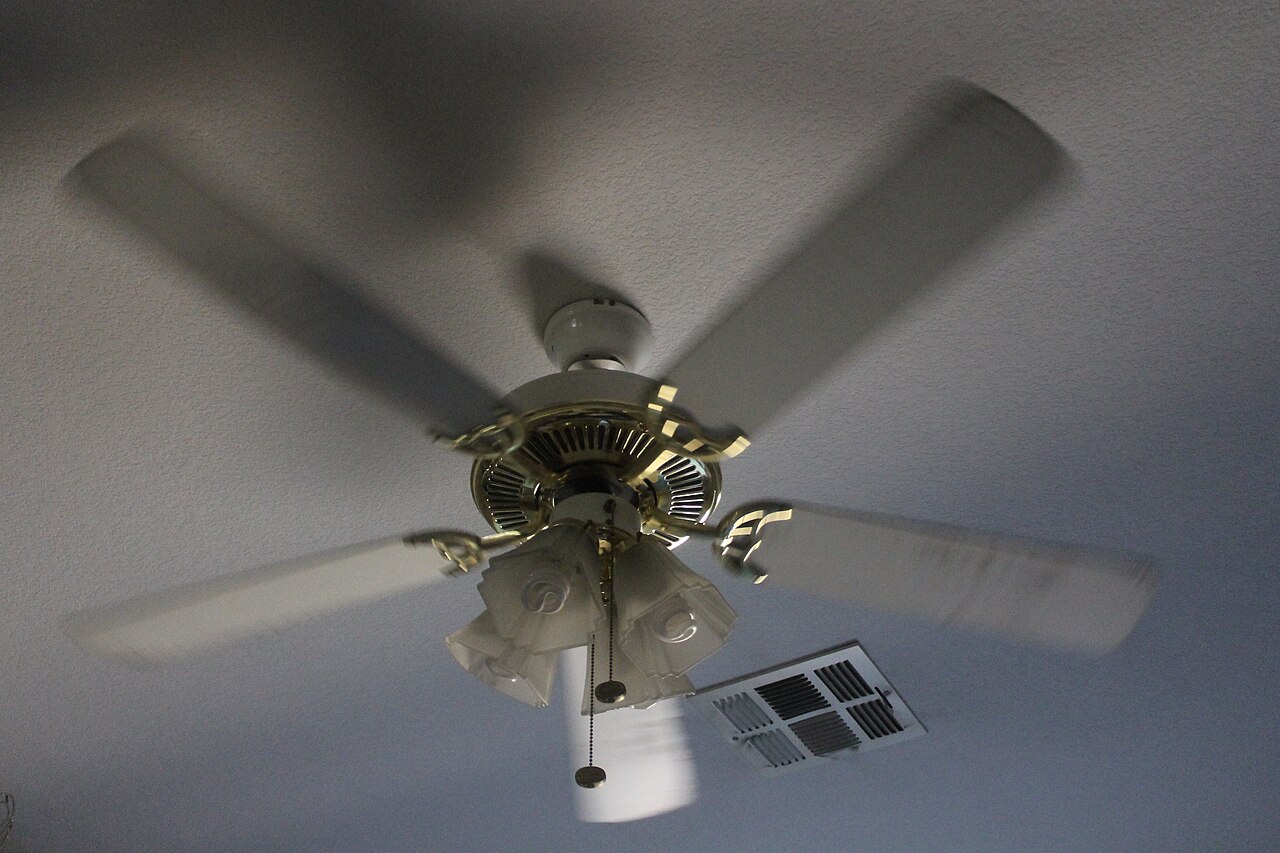
- A typical ceiling fan uses somewhere around 15 to 75 watts: roughly 0.3 to 1.3 cents an hour at 17 cents per kWh.
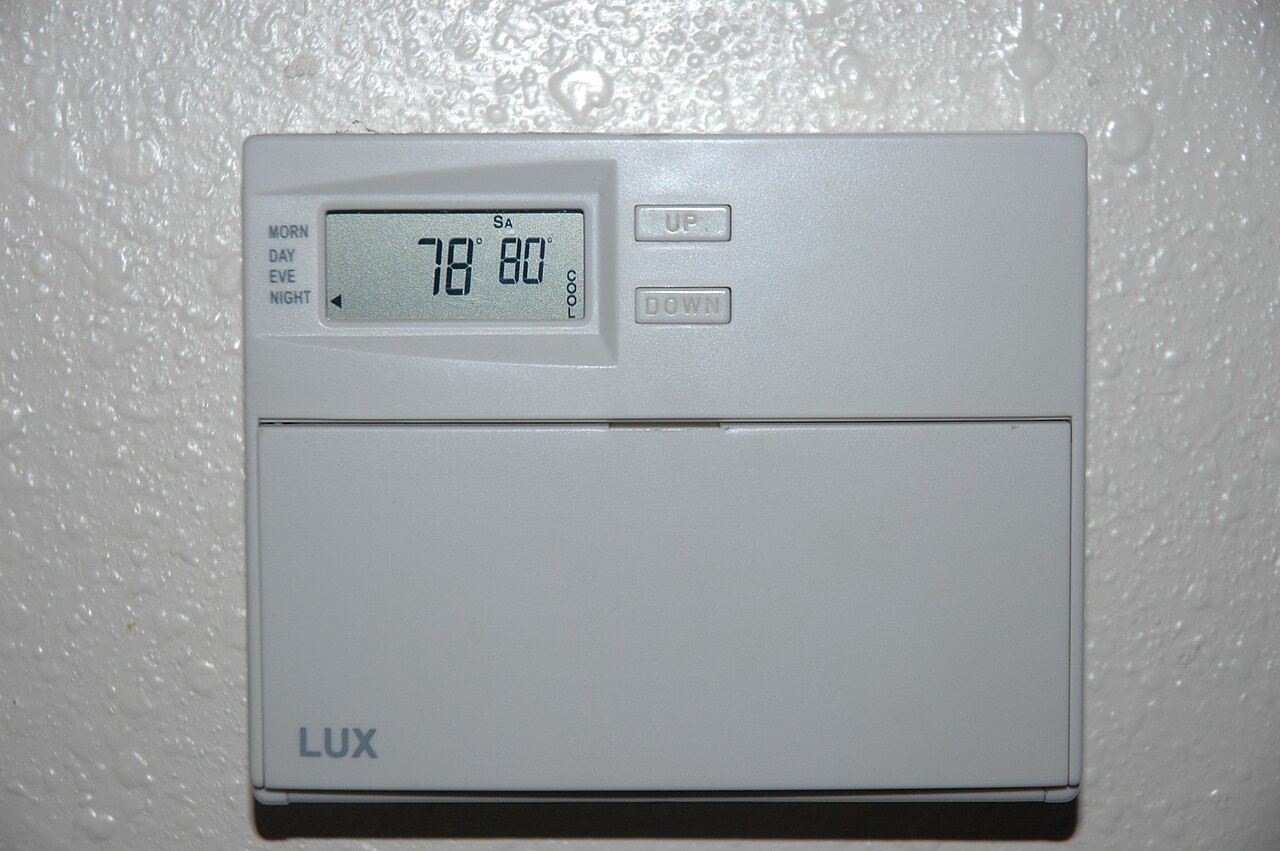
- The DOE says a fan lets most people raise the thermostat about 4°F with no loss of comfort.
- Fans cool people, not rooms. Turn them off when you leave.
- Summer: counterclockwise for a breeze. Winter: clockwise on low.
A ceiling fan is one of the cheapest machines in your home to run. Whether it saves you money depends entirely on what it lets you do with the most expensive machine: the air conditioner.
What a fan costs to run
Ceiling fans use somewhere around 15 to 75 watts depending on size, speed and motor type. Fans with DC motors sit at the lower end. At 17 cents per kWh:
| Fan draw | Per hour | 8 hours a day for 90 days |
|---|---|---|
| 20 W (DC motor, medium) | $0.003 | $2.45 |
| 50 W (typical, high) | $0.009 | $6.12 |
| 75 W (large AC motor, high) | $0.013 | $9.18 |
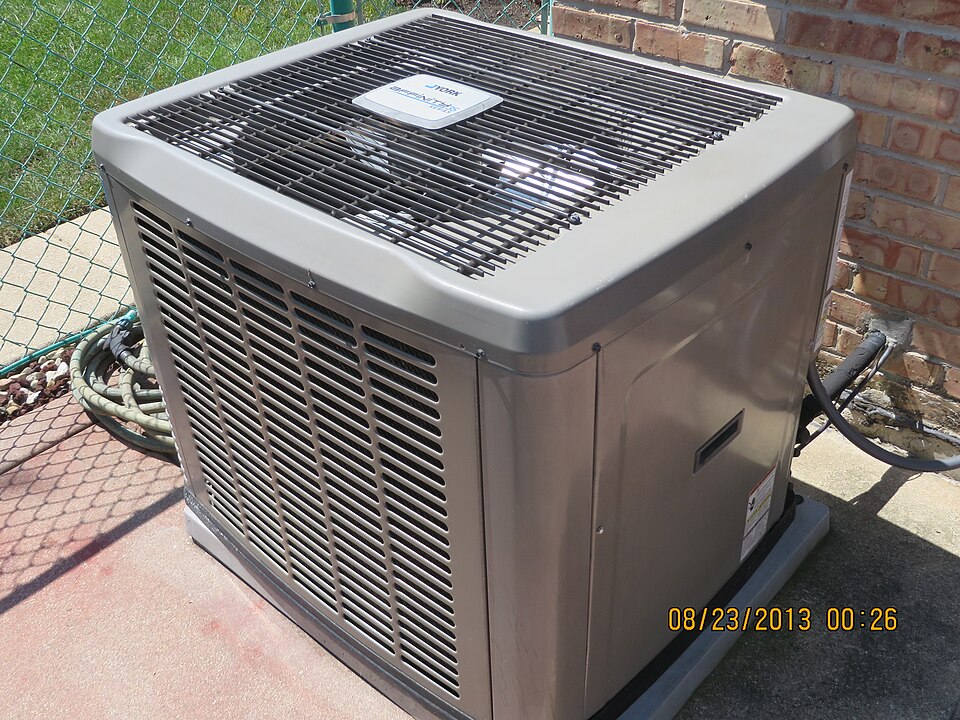
Compare that with central air at roughly 50 cents an hour for a 3-ton system, as our central AC guide works out. One hour of air conditioning costs about the same as running a ceiling fan for two days straight.
How a fan saves money
A fan does not lower the temperature of the room. It moves air across your skin, which speeds up evaporation and makes you feel several degrees cooler. The Department of Energy says that if you use air conditioning, a ceiling fan lets you raise the thermostat setting about 4°F with no reduction in comfort.
That 4 degrees is where the saving comes from. Raising the thermostat cuts how long the air conditioner runs. The same DOE rule that applies to heating, about 1% per degree for an 8-hour period, gives a rough sense of scale. Over a long, hot summer, a few degrees across most of the day adds up to real money, while the fan itself costs a few dollars.
The fan only saves money if you actually turn the thermostat up. Running both at the old setting just adds a small cost.
The mistake: fans in empty rooms
Because fans cool people rather than rooms, a fan spinning in an empty room does nothing useful. It even adds a tiny bit of heat from its motor. The DOE's advice is simple: turn ceiling fans off when you leave the room. A wall switch or a remote by the door makes this a habit rather than a chore.
The right direction, summer and winter
- Summer: counterclockwise on most fans when you look up. You should feel a breeze standing under it. Use a higher speed.
- Winter: clockwise on the lowest speed. The fan pulls air up toward the ceiling and pushes the warm air that collects there gently down the walls, without a cooling draft. This is most useful in rooms with high or vaulted ceilings.
The direction switch is usually a small slider on the motor housing. Turn the fan off and let it stop before flipping it.
Getting the most from a fan
- Size matters. A fan that is too small for the room just stirs the air near the middle. Larger rooms need larger blade spans.
- Height matters. Blades work best around 8 to 9 feet above the floor and at least 10 to 12 inches below the ceiling. Extension rods help on high ceilings.
- Balance and clean the blades. Dusty or unbalanced blades wobble, make noise and move less air.
- Consider DC motors and ENERGY STAR models when replacing an old fan. They tend to use less power for the same airflow.
- Watch the light kit. Old fans with several incandescent bulbs can use more power for light than for the fan. Swap them for LEDs.
Fans without air conditioning
In dry climates and on mild nights, fans alone can carry you through. A box fan in a window pulling cool night air in, with another window open across the house, flushes heat out after sunset. Close the windows and blinds in the morning to hold the cool in. In very hot weather, above roughly the mid-90s °F, fans stop helping much and health agencies advise against relying on them alone.
For the rest of your cooling setup, see our guides to window versus portable air conditioners and thermostat settings.
Questions people ask
Should a ceiling fan spin clockwise or counterclockwise in summer?
Counterclockwise when you look up at it, on most fans, so the blades push air down and create a breeze. In winter, switch to clockwise on low to draw air up and push warm air down the walls without a draft. The switch is usually on the motor housing.
Is it OK to leave a ceiling fan on all the time?
It won't hurt the fan, but it wastes electricity if no one is in the room, because a fan does not lower the air temperature. It only makes people feel cooler.
Are DC motor ceiling fans worth it?
DC motor fans typically use noticeably less power than AC motor fans at the same speed, run quieter, and often have more speed settings. If you are replacing a fan anyway, they are worth considering, along with ENERGY STAR certified models.
Sources
Numbers on this page are estimates built on the stated assumptions. Your rates, climate and home will change them, so plug in your own figures. Nothing here is financial or professional advice.